

Best Artisanal Coffee Alternatives to CoffeeBros
Table of Contents
- What Makes Artisanal Coffee Different from Mass-Market Brands
- How to Choose Artisanal Coffee Beans That Match Your Taste
- Best Specialty Coffee Subscription Options for Home Brewers
- Freshness, Roast Dates, and Direct-to-Door Shipping
- Ethical Sourcing and Sustainability Certifications
- Price-to-Quality Ratio: Why Specialty Coffee Costs More
- Artisanal Coffee Alternatives Worth Trying
- Conclusion
Last Updated: August 13, 2026
What Makes Artisanal Coffee Different from Mass-Market Brands
Artisanal coffee differs from mass-market brands in three ways: sourcing precision, roasting control, and freshness. Mass-market coffee sits in warehouses for months. Artisanal roasters source specific beans from identified farms, roast in small batches, and ship within days of roasting.
According to the Specialty Coffee Association's 2026 standards, specialty-grade beans score 80 points or higher on a standardized cupping scale. Mass-market coffee rarely undergoes this evaluation. Artisanal roasters focus on single-origin sourcing, beans from one specific region or farm, which lets you taste terroir, altitude, and processing method.
At Eager Beaver Roasters, we source beans from trusted farms worldwide and roast to order in light, medium, and dark profiles. The roast date is printed on every bag. When your coffee arrives, it's typically less than two weeks from roasting. Compare that to grocery store coffee roasted months ago, and the flavor complexity is unmistakable.

Artisanal roasters buy directly from farmers, cutting out middlemen. You pay more per pound, but for freshness, traceability, and actual flavor rather than stale commodity beans. Mass-market brands rely on volume and shelf stability, which means darker roasts that hide oxidation and consistency that prioritizes shelf life over taste.
How to Choose Artisanal Coffee Beans That Match Your Taste
Start by asking what you like in a cup. Do you prefer bright, acidic notes or smooth, mellow ones? Do you want chocolate and caramel or fruit and floral? Ethiopian coffees tend toward fruity and floral. Brazilian coffees lean toward chocolate and nuts. Kenyan coffees offer bright citrus and complexity. These aren't random, they're determined by altitude, soil, climate, and processing method.
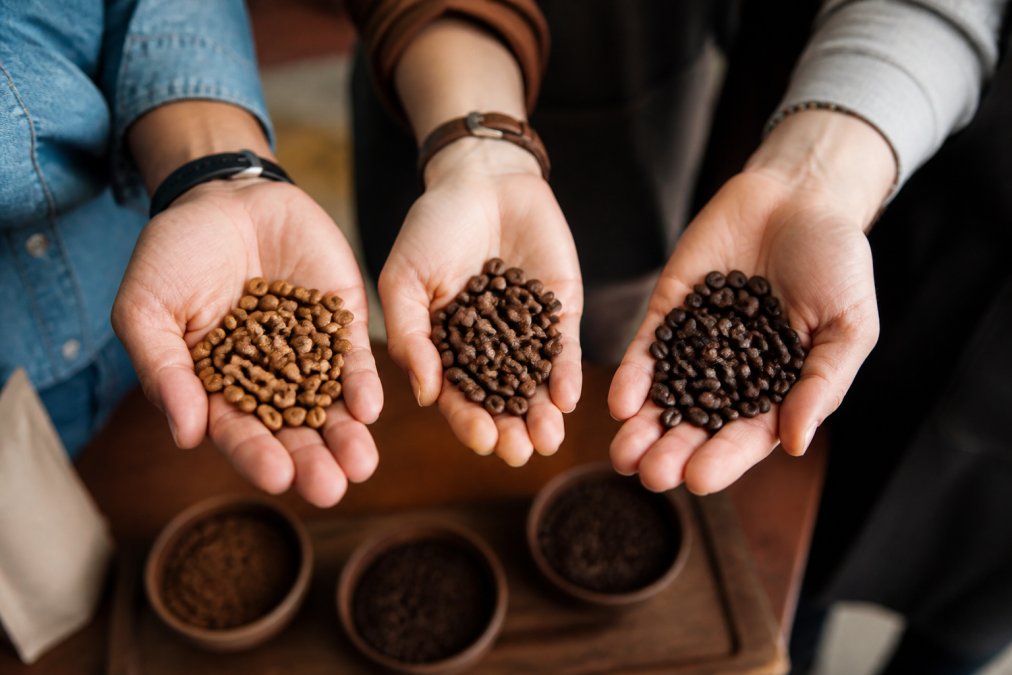
Understanding Roast Profiles: Light, Medium, and Dark
Light roasts preserve the bean's origin characteristics and acidity. They're roasted to the first crack, when the bean's structure expands and makes an audible sound. Light roasts highlight the coffee's natural flavor, fruit, floral, or tea-like notes from where it was grown. If you want to taste the difference between Ethiopian and Kenyan beans, light roast is where you'll notice it most.
Medium roasts balance origin flavor with roasted notes. They're roasted past the first crack but before the second crack. You get some of the origin's brightness plus caramel, chocolate, and body from the roasting process. Medium roasts work well for most brewing methods and are forgiving if you're still dialing in your technique.
Dark roasts emphasize roasted flavors over origin. They're roasted past the second crack, when beans start to release oils. You get bold, smoky, chocolate-forward cups with lower acidity. Dark roasts work exceptionally well for espresso because the lower acidity pairs with milk and mask brewing mistakes more gracefully than lighter roasts.
Matching Beans to Your Brewing Method
Your brewing method matters because different methods extract coffee differently. French press brewing is immersion-based; grounds sit in hot water for four minutes. This method pulls out more oils and body, so it pairs well with medium or dark roasts. Espresso requires very fine grinding and high pressure, which extracts quickly and intensely. Dark roasts with lower acidity work better here.
Pour-over and drip methods use paper filters, which remove oils and highlight clarity. These methods showcase light and medium roasts beautifully because the filter lets you taste the bean's origin character without the heaviness of oils. Grind size also matters: finer grinds increase surface area and extract faster; coarser grinds extract slower. Match grind size to your brewing method to prevent under-extraction (weak, sour coffee) and over-extraction (bitter, harsh coffee).
Best Specialty Coffee Subscription Options for Home Brewers
Specialty coffee subscriptions solve the freshness problem. Instead of buying bags that sit for weeks, you get fresh-roasted coffee on a schedule that matches your consumption. Look for roast date transparency, flexible scheduling, variety, and reasonable shipping costs.
Single-Origin vs. Blend Subscriptions
Single-origin subscriptions rotate through coffees from different regions. You might receive Ethiopian one month, Colombian the next, then Kenyan. This approach teaches you how terroir affects flavor and what altitude, processing methods, and washed versus natural processing contribute. Single-origin coffees typically score higher on cupping scales because they showcase the farm's unique characteristics.
Blended subscriptions combine beans from multiple origins into a consistent house blend. The roaster balances flavors to hit a specific profile. Blends offer consistency and are slightly cheaper because roasters can use a mix of higher and lower-grade beans. The downside is you don't explore as much variety.
For serious coffee enthusiasts, single-origin subscriptions teach you more. For people who just want great coffee without thinking too hard, blends are simpler. Eager Beaver Roasters offers both approaches: single-origin standouts like Peru and Colombia, plus the House Blend for consistent, smooth cups.
Subscription Flexibility and Cancellation Policies
Read the cancellation policy before subscribing. The best subscriptions let you skip months, adjust frequency, or cancel anytime without penalty. Some subscriptions lock you in for three months or charge restocking fees. Frequency matters too, match the subscription cadence to your actual consumption. A half-pound per week means you need roughly two pounds per month.
Freshness, Roast Dates, and Direct-to-Door Shipping
Coffee begins to lose flavor within two weeks of roasting. The oils oxidize, the aromatics fade, and the cup flattens. After four weeks, you're drinking noticeably stale coffee. After eight weeks, it tastes like cardboard.
Roast dates printed on the bag let you verify freshness. If the roast date is more than three weeks old, the coffee is past its prime. If it's less than one week old, you're getting peak flavor. Direct-to-door shipping keeps coffee fresh and eliminates middlemen. When you buy from a specialty roaster's website, the coffee goes from roaster to your mailbox in 2-5 business days. Direct shipping costs more upfront (roasters often charge flat rates like $5-8 per order), but you're paying for freshness and speed.
Keep coffee in an airtight container away from light, heat, and moisture. A sealed bag with a one-way valve works fine. Don't refrigerate or freeze unless storing for months. Room temperature in a dark cabinet is ideal. Whole beans stay fresh longer than ground coffee; grind just before brewing if possible.
Ethical Sourcing and Sustainability Certifications
Ethical sourcing means the farmers who grew your coffee were paid fairly and worked in safe conditions. Direct-trade relationships, where roasters buy directly from farms, are the gold standard. The roaster knows the farmer by name, visits the farm, and pays above-market rates.
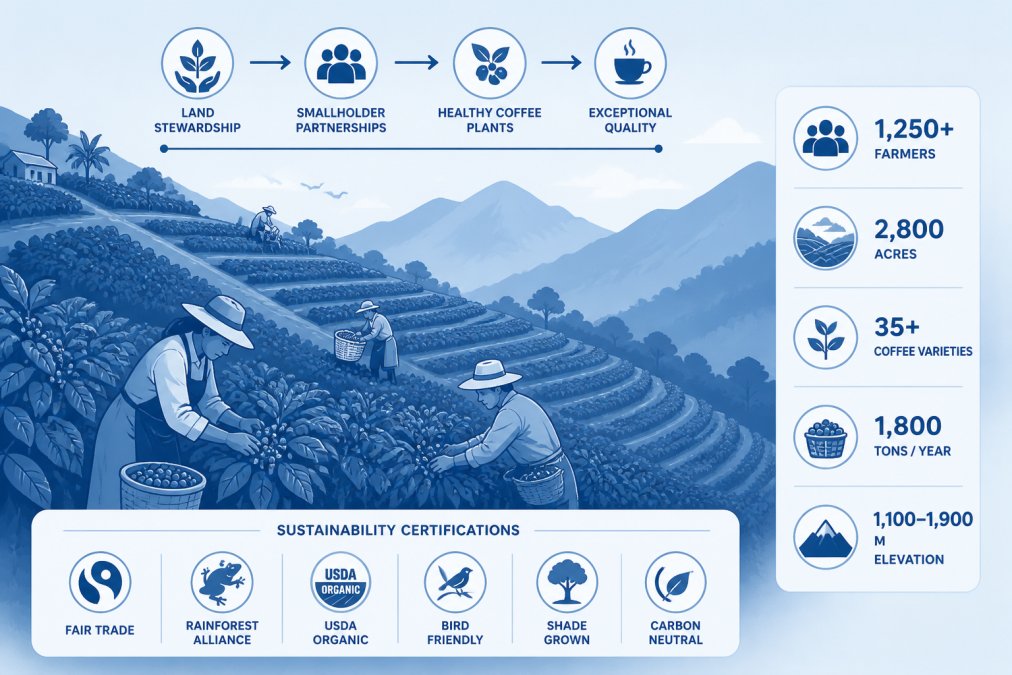
Look for certifications like Fair Trade, Rainforest Alliance, or direct-trade partnerships listed on the bag. Fair Trade certification ensures minimum prices and labor standards. Rainforest Alliance certifies environmental practices. Direct-trade partnerships indicate personal relationships and higher farmer payments.
Sustainability certifications address environmental impact. Shade-grown coffee preserves forest ecosystems and biodiversity. According to the International Coffee Organization's sustainability guidelines, responsible sourcing protects both farmer livelihoods and coffee-growing regions for future generations.
Eager Beaver Roasters sources from smallholder farmers and cooperatives with transparent sourcing. The Peru offering comes from Cooperativa Agricola de Servicios Norandino. The Ethiopia Natural comes from named smallholder farmers in the Sidama zone. This transparency lets you trace your coffee back to the people who grew it.
Price-to-Quality Ratio: Why Specialty Coffee Costs More
Specialty coffee costs more because every step is more expensive. Sourcing from specific farms, small-batch roasting, and direct-to-door shipping all cost more than industrial production and bulk retail distribution.
A bag of Eager Beaver Roasters single-origin coffee costs $23.99 for a full pound. Grocery store coffee costs $8-12 per pound. The specialty coffee is nearly three times more expensive, but that bag was roasted days ago, sourced from a named farm, and shipped directly to you. Quality also compounds: specialty coffee tastes better, so you use less. A pound of high-quality coffee yields more satisfying cups because the flavor is richer and more complex.
Sample packs offer a way to try specialty coffee without full commitment. Eager Beaver Roasters' Best Sellers Sample Pack ($24.99) includes six 2-ounce packs: 6Bean Blend, Cowboy Blend, Breakfast Blend, Peru, Mexico, and Bali. The Single Origin Favorites Sample Pack ($24.99) includes six single-origin coffees: Brazil Santos, Colombia, Costa Rica, Ethiopia, Honduras, and Tanzania. Sample packs let you explore without buying full pounds of beans you might not like.

Artisanal Coffee Alternatives Worth Trying
Single-Origin Standouts
Eager Beaver Roasters' Colombia offering delivers dried orange, berry, and chocolate at medium roast, a balanced introduction to single-origin complexity. It comes from smallholder farmers in Medellin. At $23.99 per pound, it's a solid entry point into specialty coffee.
Peru offers salted caramel, silky sweetness, and citrus notes from Cooperativa Agricola de Servicios Norandino. The medium roast balances the origin's natural sweetness with subtle roasted character. If you like sweeter, less acidic cups, Peru is an excellent choice.
Ethiopia Natural delivers milk chocolate, fruity notes, and caramel at medium-light roast from smallholder farmers in the Sidama zone. Natural processing creates more fruit-forward flavors than washed processing. Ethiopia is ideal if you want to experience what altitude and processing method contribute to flavor.
Kenya offers bright acidity, orange, lemon, and floral notes. It's fully washed and dried on raised beds, which creates clarity and complexity. Kenya coffees are excellent for pour-over brewing because the paper filter highlights the bean's brightness.
Bali Blue delivers dark chocolate, molasses, and brown sugar at medium-dark roast. It's grown on volcanic soil in Kintamani, Indonesia, and processed via wet-hulling, which creates a syrupy body and earthy character. Bali works exceptionally well for espresso or French press brewing.
Blended Options for Consistency
The House Blend ($23.99) is a medium roast combining select coffees from Central and South America. It's smooth, clean, and consistent, designed to deliver a flavorful cup every time. If you're new to specialty coffee or prefer predictability, the House Blend is a safe starting point.
The 6Bean Blend is a dark roast combining coffees from around the world, featuring cocoa, caramel, and vanilla tones. Dark roasts are forgiving for brewing mistakes and pair well with milk for lattes or cappuccinos.
The Cowboy Blend mixes dark and medium roasted coffees, creating a hybrid profile with cocoa, caramel, and vanilla tones plus slightly more brightness than a full dark roast. It's excellent for people who want boldness without losing all acidity.
The Breakfast Blend is a medium roast from South America designed for morning drinking. It's smooth and approachable without heavy acidity. If you're transitioning from mass-market coffee to specialty, the Breakfast Blend bridges that gap nicely.
Sample Packs to Explore Without Commitment
Sample packs are the smartest way to explore artisanal coffee without overcommitting. Eager Beaver Roasters' Best Sellers Sample Pack ($24.99) includes six 2-ounce packs covering blends and single-origins. You get the 6Bean dark roast, Cowboy blend, Breakfast blend, plus Peru, Mexico, and Bali single-origins. This pack teaches you the difference between blends and single-origins, light and dark roasts, and different origins in one purchase.
The Single Origin Favorites Sample Pack ($24.99) focuses entirely on single-origins: Brazil Santos, Colombia, Costa Rica, Ethiopia, Honduras, and Tanzania. Each 2-ounce pack is enough for 2-3 cups, so you can taste each origin without commitment. This pack is ideal if you want to explore how geography affects flavor.

Sample packs solve the "what if I don't like it" problem. Two ounces isn't enough to feel like a wasted purchase if the coffee doesn't match your taste. Most people find at least one or two they love, then order full pounds of those selections.
Choosing an artisanal coffee alternative to mass-market brands means prioritizing freshness, traceability, and flavor complexity. The best specialty roasters source from specific farms, roast to order, and ship within days. Eager Beaver Roasters delivers exactly this: freshly roasted beans from trusted farms worldwide, available in light, medium, and dark profiles, shipped directly to your door. Start with a sample pack to explore without risk, then find your perfect roast and subscribe for consistent freshness. The Specialty Coffee Association's resources provide additional guidance on quality standards and brewing techniques if you want to deepen your knowledge.
Find Your Perfect Roast with Eager Beaver Roasters and experience the difference fresh, expertly sourced coffee makes in your daily ritual.
Frequently Asked Questions
What defines artisanal coffee compared to mass-market brands?
Artisanal coffee emphasizes small-batch roasting, single-origin sourcing, and careful attention to roast profiles. Unlike mass-market brands that prioritize shelf stability and uniform taste, specialty roasters roast to order, source from specific farms or regions, and highlight distinct tasting notes. This means you're getting beans roasted days before they ship to you, not months old. The difference shows in flavor complexity, acidity balance, and body, qualities that mass-produced coffee sacrifices for cost and consistency.
How do I choose the right coffee roast profile for my brewing method?
Light roasts preserve the bean's origin characteristics and work best for pour-over and single-serve methods where extraction control matters. Medium roasts offer balance between origin flavor and roast character, suiting drip machines and French press well. Dark roasts develop bold, smoky notes and work best for espresso and full-immersion brewing. If you prefer a smooth cup without bitterness, start with medium roast. Experiment with a sample pack to find your preference before committing to larger quantities.
What should I look for in a best specialty coffee subscription?
Priority factors include roast-to-ship timeline (ideally 3-7 days old when delivered), roast date transparency, flexible frequency and quantity adjustments, and easy cancellation without penalties. Check whether the subscription offers single-origin variety or includes blends, and whether you can skip months. Shipping costs matter too, factor those into your total cost. Many quality roasters charge $23-25 per bag plus shipping, so calculate monthly spend before subscribing.
How fresh is the coffee when it arrives at my door?
With roasted-to-order services, your coffee is typically roasted 3-7 days before shipping, arriving 7-10 days post-roast. This window captures peak flavor, beans are still releasing CO2 and developing complexity. Check the roast date printed on the bag when it arrives; this proves freshness. Store beans in an airtight container away from light and heat. Most specialty coffee stays flavorful for 4-6 weeks after roast, so a half-pound per week consumption rate means you'll use beans at their best.
Are there specialty coffee roasters that prioritize direct trade and sustainability?
Yes. Direct-trade and fair-trade certified roasters build relationships directly with smallholder farmers, ensuring better prices and traceability. Look for roasters that list grower names, farm regions, and processing methods on their bags. Many also highlight certifications like Fair Trade USA or Rainforest Alliance. Ethical sourcing typically costs 10-15% more per bag, but supports farmer livelihoods and environmentally sound practices. Transparency about sourcing is your best indicator of genuine commitment.
This article was written using GrandRanker