

Verve Coffee vs Craft Coffee: Full Comparison
Table of Contents
- Verve Coffee vs Craft Coffee: Head-to-Head Overview
- Roast Profile and Flavor Consistency
- Sourcing Transparency and Bean Quality
- Best Coffee Subscription Services: Flexibility and Pricing
- How to Choose Craft Coffee Beans for Your Brewing Method
- Freshness, Shipping, and Roasting Standards
- Price-to-Quality Ratio and Value Proposition
- Conclusion: Which Should You Choose?
Last Updated: August 16, 2026
Verve Coffee vs Craft Coffee: Head-to-Head Overview
When choosing between specialty coffee brands, the decision comes down to roast consistency, sourcing transparency, and whether the beans deliver on their promise. Verve Coffee vs Craft Coffee comparison matters because both position themselves as premium roasters but approach sourcing, roasting profiles, and subscription flexibility differently.
Verve Coffee has built a reputation around direct trade relationships and a roast style emphasizing clarity and brightness. Craft Coffee positions itself as a curated subscription service connecting you with rotating roasters rather than a single roaster's house style. The verve coffee vs craft coffee choice depends on whether you want consistency from one roaster or variety from multiple sources.
At Eager Beaver Roasters, we've found that most customers underestimate how much roasting date and freshness matter compared to origin alone. The real difference between premium coffee brands isn't just where beans come from, it's how fresh they are when they arrive and whether the roast profile matches your brewing method.
This comparison covers roast profile reliability, sourcing transparency, subscription flexibility, pricing, and freshness standards. By the end, you'll know which brand aligns with how you brew and what you're willing to spend.
Roast Profile and Flavor Consistency
Verve Coffee has a distinctive roast profile emphasizing clarity and acidity, highlighting origin characteristics so you taste the terroir first, the roast second. This appeals to enthusiasts wanting to experience the difference between Ethiopian natural process and Colombian washed beans. Consistency is strong because Verve controls the entire roasting operation, minimizing batch-to-batch variation.
Craft Coffee's roast profiles vary because they work with multiple partner roasters. One month you might receive a light roast from Portland; the next, a medium roast from Colorado. This creates intentional flavor variety, great for exploration but meaning you won't develop muscle memory with your brewing method.

For brewing method compatibility, this matters significantly. If you're dialing in an espresso machine, you need a roaster whose profile you understand deeply. Verve's consistency makes this easier. Craft's rotating roasters mean you're essentially re-dialing every shipment.
Eager Beaver Roasters approaches consistency by roasting to order in light, medium, and dark profiles. Your beans are roasted specifically for your order, not sitting in inventory. The roasting date is on every bag.
| Aspect | Verve Coffee | Craft Coffee | Eager Beaver Roasters |
|---|---|---|---|
| Roast Consistency | High (single roaster) | Variable (multiple roasters) | High (roasted to order) |
| Flavor Profile | Bright, clarity-forward | Varies by partner roaster | Light, medium, dark options |
| Batch Variation | Minimal | Moderate | Minimal (fresh roasted) |
| Brewing Predictability | Excellent | Good (requires adjustment) | Excellent |
Sourcing Transparency and Bean Quality
Verve Coffee publishes detailed information about direct trade relationships, including farm names, altitude, and processing methods. This transparency builds trust, especially if you care about supporting specific farming communities. Their sourcing is genuinely direct, not brokered through middlemen.
Craft Coffee emphasizes sourcing transparency, but information varies by roaster. Since they work with multiple partners, sourcing detail depth depends on which roaster's beans you receive. Some publish extensive farm information; others provide basic origin details.
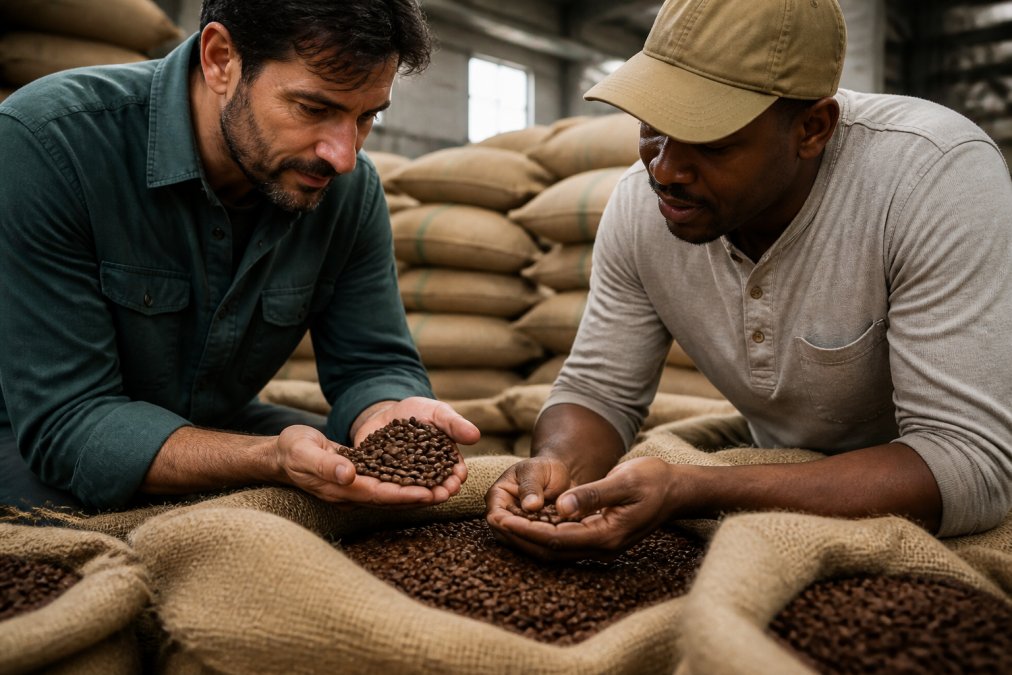
Ethical sourcing matters beyond feeling good about your purchase. Beans from farms with sustainable practices and fair labor standards often taste better because they're treated with care from seed to harvest. Verve's direct trade model creates ongoing farmer relationships, incentivizing quality over volume. Craft's rotating roasters means ethical standards vary by partner.
Eager Beaver Roasters sources from trusted farms worldwide. Our Colombia comes from smallholder farmers from Medellin. Our Ethiopia Natural comes from smallholder farmers from the Sidama zone. This specificity helps you understand what you're buying.

Best Coffee Subscription Services: Flexibility and Pricing
Verve Coffee's subscription locks you into their roast profile and frequency. You choose how often and quantity, but receive Verve's beans every time. This works if you've found a roast profile you love but limits you if you want variety or your consumption fluctuates seasonally.
Craft Coffee's subscription offers more flexibility. You choose a roaster preference, but beans rotate monthly. You can skip shipments, adjust frequency, and pause without penalty. The subscription suits explorers but costs more than buying a single roaster's beans consistently.
Pricing for best coffee subscription services varies significantly:
- Verve Coffee: Approximately $15-18 per 12 oz bag when subscribed
- Craft Coffee: Approximately $12-16 per 12 oz bag when subscribed, plus shipping
- Eager Beaver Roasters: $23.99 per 12 oz bag, one-time purchase or subscription options available
Per-bag cost comparisons are misleading without considering freshness. Eager Beaver's higher price reflects roasting to order, your beans are roasted after you order, not sitting in inventory. Fresher coffee tastes noticeably better, justifying the price difference for serious drinkers.
Subscription flexibility matters if you travel, take coffee breaks, or want to experiment. Craft's model makes sense for explorers. If you know what you like, Verve's simplicity and Eager Beaver's made-to-order approach both win.
How to Choose Craft Coffee Beans for Your Brewing Method
The roast profile that works for French press won't work optimally for espresso. Most enthusiasts buy based on origin and price, then wonder why beans don't taste as good at home.
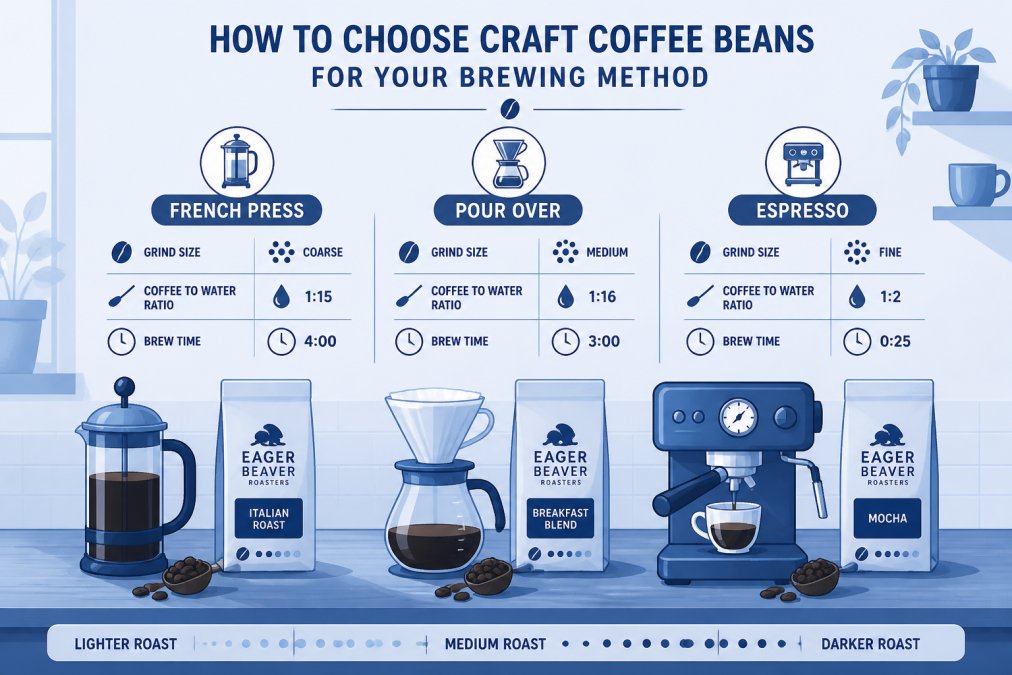
For French press, you want medium to dark roast. Immersion brewing works best with beans that have developed body and sweetness. Light roasts taste thin and sour because the method doesn't extract bright acidity properly.
For pour-over, light to medium roasts shine. Precise water temperature and contact time reveal origin characteristics without roast overpowering the beans. Verve's clarity-forward roast profile excels here, with light roasts revealing specific farm flavors.
For espresso, you need a roast profile tested under pressure. Medium to dark roasts work better because espresso's extraction method requires beans with enough body to stand up to intensity. Light roast espresso often tastes sour or thin.
Eager Beaver Roasters' House Blend is a medium roast blend of select coffees from Central and South America that is smooth, clean and consistent for a flavorful cup every time. Our 6 Bean Blend is a dark roast house blend, great for espresso. Our single origins like Colombia (medium) and Ethiopia Natural (medium-light) highlight origin characteristics across multiple brewing methods.

The key decision: optimize for consistency across methods, or dial in one method perfectly? If you brew one way, choose the roast profile for that method. If you switch between methods, choose a versatile medium roast.
Freshness, Shipping, and Roasting Standards
Freshness is where most coffee subscriptions fail. Beans are roasted, packaged, sit in a warehouse for a week, then ship for 2-3 days, then sit in your mailbox. By brewing time, beans are 10-14 days old. Flavor degradation is real: oils oxidize, aromatics fade, and the cup becomes flat.
Verve Coffee ships quickly after roasting, typically within 2-3 days. Their roasting date is printed on the bag. The standard is solid, though beans lose optimal flavor after about three weeks from roast.
Craft Coffee's freshness depends on which roaster you receive. Some roast to order; others roast in batches. Roasting dates vary, and some shipments arrive fresher than others. This inconsistency is a drawback if freshness is your priority.
Eager Beaver Roasters roasts to order, meaning your beans are roasted after your order is placed. This eliminates warehouse wait. Your beans ship within days of roasting. You'll typically receive beans that are 3-5 days old, peak freshness for flavor.
Beans five days old taste noticeably brighter and more aromatic than beans three weeks old. At premium prices, you deserve premium freshness.
Price-to-Quality Ratio and Value Proposition
Specialty coffee costs more than grocery store coffee, and you should expect to pay for quality. The question is whether the price difference translates to a better cup.
Verve Coffee's premium pricing is justified by direct trade relationships and consistent roast quality. You're paying for transparency and assurance that your money supports farmers fairly. For drinkers who care about sourcing ethics, this is worth it.
Craft Coffee's competitive pricing reflects aggregating multiple roasters and subscription model efficiency. You pay less per bag but receive variable quality depending on which roaster's beans arrive that month.
Eager Beaver Roasters at $23.99 per 12 oz bag is positioned at the premium end, but the value proposition is clear: roasted to order, fresh within days of roasting, sourced from trusted farms worldwide. You're paying for freshness and sourcing transparency.
The real value comparison: would you rather pay slightly less for beans that are 2-3 weeks old, or pay more for beans that are 5-7 days old? Fresher beans extract better, taste brighter, and reward better brewing technique. For home enthusiasts, freshness advantage typically outweighs the price difference.
| Factor | Verve Coffee | Craft Coffee | Eager Beaver Roasters |
|---|---|---|---|
| Price per 12 oz | ~$15-18 (subscribed) | ~$12-16 (subscribed) | $23.99 |
| Freshness at arrival | 5-7 days | 7-14 days | 3-5 days |
| Sourcing transparency | Excellent | Variable | Excellent |
| Subscription flexibility | Low | High | Moderate |
| Best for | Consistency seekers | Explorers | Freshness purists |
Conclusion: Which Should You Choose?
The verve coffee vs craft coffee comparison reveals two different philosophies. Verve prioritizes consistency and direct relationships with specific farms. Craft prioritizes variety and flexibility. Neither is objectively better; the right choice depends on what you value.
Choose Verve if you want to develop a deep relationship with a roaster's style, if sourcing ethics matter, and if you're willing to commit to a subscription. You'll get reliable, well-roasted beans with clear sourcing information.
Choose Craft if you want to explore different roasters without long-term commitment, if you like monthly variety, and if subscription flexibility is important. You'll get decent beans at competitive pricing, with variable freshness and roast quality tradeoffs.
Consider Eager Beaver Roasters if freshness is your priority. Our roasted-to-order model means your beans are roasted after your order ships, arriving at peak flavor. We meticulously source beans from trusted farms worldwide. Our Colombia features dried orange, berry, and chocolate notes; our Ethiopia Natural delivers milk chocolate, fruity, and caramel characteristics. With our House Blend for versatility and 6 Bean Blend for espresso, you get single roaster consistency with roast profile flexibility. Find Your Perfect Roast and experience the difference fresh, expertly sourced coffee makes.
Frequently Asked Questions
What makes Verve Coffee different from Craft Coffee?
Verve and Craft Coffee differ primarily in sourcing approach, roast consistency, and subscription flexibility. Verve emphasizes direct trade relationships and tends toward lighter roast profiles with higher acidity. Craft Coffee focuses on batch roasting and offers more roast variety. Your choice depends on whether you prefer single-origin clarity or blended consistency, and how much subscription flexibility matters for your weekly consumption.
How do I choose craft coffee beans that match my brewing method?
Match your beans to your equipment: pour-overs and drip machines work best with medium roasts that highlight flavor clarity and acidity; French presses pair well with darker roasts and fuller body; espresso demands beans with sweetness and low acidity to balance extraction intensity. Check the tasting notes and roast date on the bag. Single-origin beans showcase brewing method differences more clearly than blends, so start there to understand your preferences.
Are Verve and Craft Coffee beans mold-free and third-party tested?
Both brands maintain quality control standards, though public third-party testing data is limited for most specialty roasters. Verve publishes some cupping scores and sourcing details; Craft Coffee emphasizes freshness through rapid roasting. Your best assurance is checking the roast date (aim for within 2 weeks of arrival) and reviewing customer feedback on specific lots. Reputable roasters typically test incoming green beans and maintain storage conditions to prevent mold.
Which subscription service offers the most flexibility?
Flexibility varies by roaster. Look for services that let you skip months, adjust frequency without penalty, and pause subscriptions. Many craft coffee subscriptions charge $25-$35 per shipment with free shipping on subscriptions. Eager Beaver Roasters offers one-time purchases at $23.99 per bag, giving you complete control over ordering frequency. If you drink less than half a pound weekly, one-time purchases may save money versus subscription minimums.
[EXTERNAL_LINK: Specialty Coffee Association cupping standards and bean grading | sca.coffee]
[EXTERNAL_LINK: USDA National Organic Program standards for coffee certification | usda.gov]
[EXTERNAL_LINK: Direct Trade Coffee Association sourcing and transparency guidelines | directtradecoffee.org]
This article was written using GrandRanker