

Best Coffee Roasts for Espresso Machines
Table of Contents
- Best Espresso Beans: Our Top Picks
- Light Roast Espresso Beans for Home Machines
- Medium Roast Espresso Beans: The Balanced Choice
- Dark Roast Espresso: Bold and Full-Bodied
- How to Choose Coffee Beans for Espresso
- Espresso Blends vs. Single-Origin Coffee
- Tasting Notes and Flavor Profiles
- Straight Espresso vs. Milk-Based Drinks
- Frequently Asked Questions
Last Updated: October 19, 2026
Best Espresso Beans: Our Top Picks
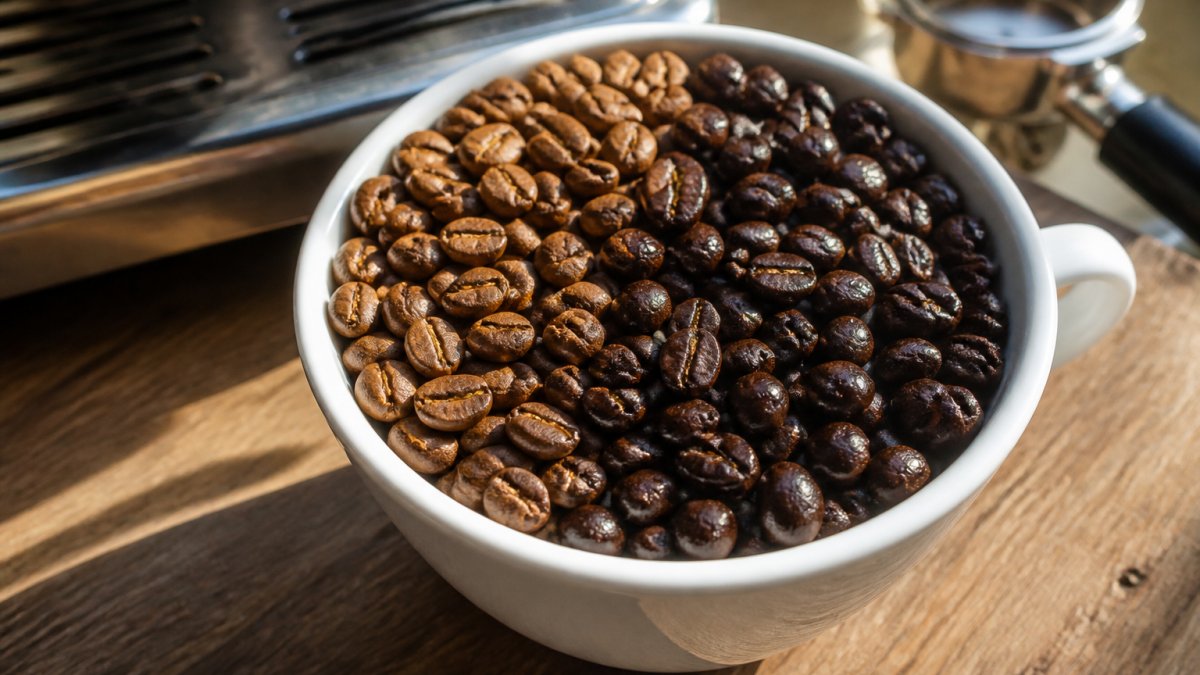
Finding the best coffee roasts for espresso machines means matching roast level, origin, and flavor profile to your equipment and taste. At Eager Beaver Roasters, we meticulously source beans from trusted farms worldwide and roast them to order in light, medium, and dark profiles to ensure maximum flavor and aroma. Below are our top picks across light, medium, and dark roasts.
Quick Comparison Table
| Roast Profile | Best For | Flavor Notes | Price | Best Espresso Style |
|---|---|---|---|---|
| Light Roast | Bright, acidic shots | Fruity, floral, complex | $23.99 | Straight espresso |
| Medium Roast | Balanced, versatile | Caramel, chocolate, smooth | $23.99 | Espresso or milk drinks |
| Dark Roast | Bold, full-bodied | Chocolate, molasses, nutty | $23.99 | Milk-based drinks |
| Single-Origin | Terroir-focused shots | Region-specific notes | $23.99 | Straight espresso |
| Espresso Blends | Consistency, ease | Balanced, approachable | $23.99 | Any preparation |
How We Selected These Roasts
We prioritized beans roasted to order, because freshness is non-negotiable for espresso, a bean roasted two weeks ago pulls differently than one roasted three days ago.
Light Roast Espresso Beans for Home Machines
Light roast espresso beans retain more acidity and complexity than darker roasts, making them ideal if you want to taste the origin's character. The Blonde blend from Eager Beaver Roasters is a sweet blend from Central America and Africa designed for bright, nuanced shots.
Light roast is less forgiving at every step. Dense, lightly roasted beans resist water, so under-extraction shows up as sourness, thin body, and a fast, gushing shot.
That is why light roast is a grinder story as much as a bean story. Temperature stability matters too, if your setup is entry-level, medium roast will usually taste better in the same machine.
You will also see less crema than with dark roasts, because lighter beans have less surface oil and release less CO2 late in the roast. Judge light-roast shots by sweetness, clarity, and body rather than crema thickness.
Light roast earns its place if you drink straight espresso or short milk drinks and want to taste a specific origin, a washed Ethiopian or a bright Central American lote, rather than a roast-forward chocolate profile. It is usually not worth it for large milk drinks, where the acidity gets buried, or if your grinder cannot make fine, repeatable adjustments.
Medium Roast Espresso Beans: The Balanced Choice
Medium roast strikes the middle ground: enough body and sweetness for rich milk drinks, enough acidity and complexity to enjoy straight. The Latin American Blend and Honduras from Eager Beaver Roasters are both medium-dark roasts offering caramel, spice, brown sugar, and nutty notes that work in either format.

Medium roast espresso beans are forgiving, extracting well across a wider grind range than light roasts, ideal if you're still dialing in your machine or your grinder isn't laser-precise.
The Bali Blue, a medium-dark single-origin, brings dark chocolate, molasses, and brown sugar to the cup, letting you taste the volcanic soil and elevation's influence without the harsh bitterness of darker roasts. If you're new to espresso and want something good straight and in milk drinks, medium roast is your safest bet.
Dark Roast Espresso: Bold and Full-Bodied
Dark roast espresso delivers what many people expect: bold, full body, low acidity, and rich chocolate or molasses notes. The Italian Roast and 6 Bean Blend from Eager Beaver Roasters are our darkest roasts, slow roasted specialty grade Arabica and Robusta blends designed for maximum body and crema.

Dark roasts excel in milk-based drinks: the bold flavors cut through milk and foam without disappearing. A cappuccino made with dark roast tastes like espresso; with light roast it can taste more like flavored milk.
Dark roast beans are also more forgiving in less-precise machines, extracting well even with coarser grinds or inconsistent tamping. If your machine is older or your grinder isn't top-tier, dark roast will be more reliable than light roast.
The tradeoff: you lose origin character. A dark roast Honduras tastes less like Honduras and more like "dark roast", the roast's heat dominates the bean's terroir. If origin complexity matters, stick with medium or light roast.
How to Choose Coffee Beans for Espresso
Roast Level and Your Machine Type
Roast level interacts with how much control your machine gives you over grind, dose, and temperature. The same bean can taste sweet in one machine and sour or bitter in another, so match the roast to the machine's capabilities.
Pressurized-basket and entry-level machines. Many entry-level machines ship with a pressurized (dual-wall) basket that creates back-pressure with a small valve instead of relying on the puck. These forgive grind inconsistency, making medium and medium-dark roasts the safest choice.
Super-automatic machines. Super-automatics use fixed or narrowly adjustable brew parameters, and medium to medium-dark roasts sit inside that window most reliably.
Semi-automatic machines. A semi-automatic gives you control over dose and grind, and often brew temperature and pre-infusion. This is where light roasts become viable: grind finer, dose slightly higher, extend the shot. The limiting factor is usually the grinder, a stepless or micro-adjustable one is close to mandatory for light roast here.
Manual lever machines. Levers reward technique and respond well to medium and medium-dark roasts, which have enough body to tolerate pressure variation. Light roasts work but demand a finer grind, longer pre-infusion, and declining pressure profile.
Freshness, Degassing, and Storage
Espresso is more sensitive to age than drip coffee because of carbon dioxide. Beans release CO2 for days after roasting: too much gas and the puck resists water unevenly, so the shot runs fast and tastes sour; too little and the puck channels and tastes flat or bitter.
Buy by roast date, not by a vague "fresh" claim, and treat the roast date on the bag as the single most useful number on the label.
Store whole beans in an airtight, opaque container at room temperature, away from light and heat, a cool, dark cabinet beats the counter next to the machine. The freezer works if you portion beans into small airtight bags, and grind from frozen without thawing; a bag you open and reseal repeatedly collects moisture and stales faster. Grind immediately before brewing.
Dialing In: Extraction and Grind Size
Dialing in means adjusting grind, dose, and yield until the shot tastes balanced. Use a scale and a timer; eyeballing shot volume is the most common reason home shots taste inconsistent.
Treat that as a baseline and adjust one variable at a time:
- Shot runs faster than about 22 seconds and tastes sour or thin: grind finer, or increase dose slightly.
- Shot runs longer than about 35 seconds and tastes bitter or dry: grind coarser, or reduce dose slightly.
- Shot time is right but the taste is sour: raise brew temperature a few degrees if your machine allows it, or extend the yield slightly.
- Shot time is right but the taste is bitter: lower brew temperature, or shorten the yield.
Roast level shifts the starting point. Light roasts are denser and often need a finer grind, a slightly higher dose, and a longer ratio to extract sweetness instead of sourness. Dark roasts are more porous and extract faster, so they want a slightly coarser grind and a shorter ratio. Medium roasts usually sit close to the 1:2 baseline.
Keep a simple log: roast, dose, grind setting, yield, time, and a one-word taste note. After a few bags you will see patterns, for example, that your grinder needs two notches finer for light roasts than for dark, and dialing in gets much faster.
Espresso Blends vs. Single-Origin Coffee
Blends combine beans from multiple origins for a consistent flavor profile. Espresso blends are engineered for balance, designed to taste good across different machines, grind sizes, and water qualities. The 6 Bean Blend and Italian Roast from Eager Beaver Roasters are blends, reliable, approachable, and forgiving.

Single-origin espresso beans come from one country or region. The Bali Blue and Honduras showcase what their terroir produces. Single-origins taste more distinctive but are more variable, flavor changes slightly from harvest to harvest based on rainfall, altitude, and processing.
Tasting Notes and Flavor Profiles
Coffee tasting notes describe what you might taste, not what's actually in the cup. When we say "chocolate notes," we mean the coffee's flavor resembles chocolate, no cocoa is added.
Dark roasts commonly show chocolate, molasses, nuts, and caramel. Medium roasts add spice, brown sugar, and fruit undertones. Light roasts emphasize acidity, fruit, and floral qualities.
The Latin American Blend brings nutty hints with mild fruity tones and a gentle cocoa aftertaste. The Bali Blue delivers dark chocolate, molasses, and brown sugar. These profiles tell you what to expect and help you match roasts to your preferences.
Tasting notes vary by bean freshness, how you dial in your machine, and water quality. The same beans might taste different in your machine than in a friend's, normal, and part of espresso's appeal.
Straight Espresso vs. Milk-Based Drinks
Straight espresso highlights the beans' origin and roast character. It's the best way to taste what's actually in the cup. Light and medium roasts shine straight because their acidity and complexity aren't masked by milk.
Milk-based drinks, cappuccinos, lattes, flat whites, require bolder espresso. Milk's fat and sweetness can overwhelm light roast's delicate notes. Dark and medium-dark roasts cut through milk and stay present in the cup. If you're primarily making milk drinks, choose medium-dark or dark roast.
Many home enthusiasts keep two roasts on hand: a lighter roast for straight shots and a darker roast for milk drinks.
Frequently Asked Questions
What roast level is best for espresso machines?
Medium and medium-dark roasts work best for most home espresso machines. Medium roasts offer balanced acidity and body, making them forgiving for dialing in. Dark roasts produce bold, full-bodied shots with lower acidity, ideal for milk-based drinks. Light roasts require precise grind and dose control but deliver bright, complex flavors for experienced users. Your choice depends on your machine type and taste preference.
How do I choose coffee beans for espresso if I'm new to this?
Start with a medium-dark roast blend designed for espresso. Blends are more forgiving than single-origin beans because they're formulated for consistent extraction. Look for beans roasted within 2-3 weeks of purchase to ensure freshness. Check the roast date on the bag. Buy a small amount first to test flavor before committing to larger quantities. Ask your roaster for recommendations based on your machine and whether you prefer straight shots or milk drinks.
Can you use light roast espresso beans in a home machine?
Yes, light roast espresso beans work in home machines, but they're more challenging. Light roasts have denser bean structure, requiring finer grinds and higher pressures to extract properly. They're best suited for machines with 9+ bars of pressure and grinders capable of very fine, consistent grinding. Light roasts shine in straight shots, delivering bright acidity and complex tasting notes. If you're new to espresso, master a medium roast first before experimenting with light roasts.
How fresh should espresso beans be when I use them?
Use espresso beans within 3-4 weeks of the roast date for peak flavor. Beans degas (release CO2) for 5-7 days after roasting, so wait at least a few days before brewing for optimal extraction and crema. After 4 weeks, beans begin losing aromatics and flavor complexity. Store beans in an airtight container away from heat, light, and moisture. Whole beans stay fresher longer than pre-ground coffee, which oxidizes quickly.
Choosing the right espresso beans comes down to matching your machine's capabilities, your taste preferences, and how you'll drink it. Eager Beaver Roasters roasts to order in light, medium, and dark profiles so you can find exactly what suits your setup. Our beans arrive fresh, with tasting notes and origin information to guide your choice. Find Your Perfect Roast and start pulling better shots today.