

Best Light Roast Coffee Bean Origins
Table of Contents
- What Makes Light Roast Coffee Different
- Single Origin Light Roast Coffee: Why It Matters
- Top Light Roast Coffee Bean Origins Ranked
- Coffee Processing Methods Explained: Impact on Light Roasts
- How Altitude and Terroir Shape Flavor
- How to Brew Light Roast Coffee for Maximum Flavor
- Choosing the Right Light Roast for Your Palate
- Conclusion
Last Updated: August 29, 2026
What Makes Light Roast Coffee Different
Light roast coffee stops roasting before the second crack, preserving origin characteristics and acidity that darker roasts mask with roasted flavors. You're tasting what the terroir and processing method actually produced, not what the roaster added through heat.
With light roasts, you evaluate beans by clarity of flavor and complexity, not body or boldness. The acidity is a feature, not a flaw. At Eager Beaver Roasters, we roast light profiles to order because they demand precision: roast a minute too long and delicate floral notes disappear; too short and beans taste underdeveloped.

Light roasts require different brewing approaches. Higher bean density means water penetrates more slowly, so they need slightly hotter water and longer contact time than medium or dark roasts. This prevents the most common mistake: treating light roasts like dark roasts and getting thin or sour results.
Single Origin Light Roast Coffee: Why It Matters
Single origin light roast coffee means beans come from one specific region, farm, or micro-lot rather than a blend. This matters far more for light roasts than dark roasts because you're tasting terroir directly. With blends, the roaster balances flavors across multiple origins. With single origins, you experience one place's complete flavor story.

Single origins offer traceability and intentionality. You know exactly where beans grew, at what altitude, what processing method was used, and often which farmer grew them. This transparency supports smaller cooperatives and specialty farms that depend on direct relationships with roasters. Eager Beaver Roasters sources single origin beans because we want you to taste the difference that comes from careful farming and processing.
Single origins also teach your palate faster than blends. When you drink Ethiopia light roast, you learn what that region's altitude, climate, and processing produce. Drink Tanzania next, and you'll immediately notice the difference. You start recognizing patterns: African origins tend toward floral and fruity notes, Central American beans show chocolate and nuts, Asian origins feel heavier and earthier.
The tradeoff is consistency. Single origins vary year to year because of weather, harvest timing, and processing variables. If you need absolute consistency, blends smooth out those variations. But if you want to experience coffee as a product of its environment, single origins are the only choice.
Top Light Roast Coffee Bean Origins Ranked
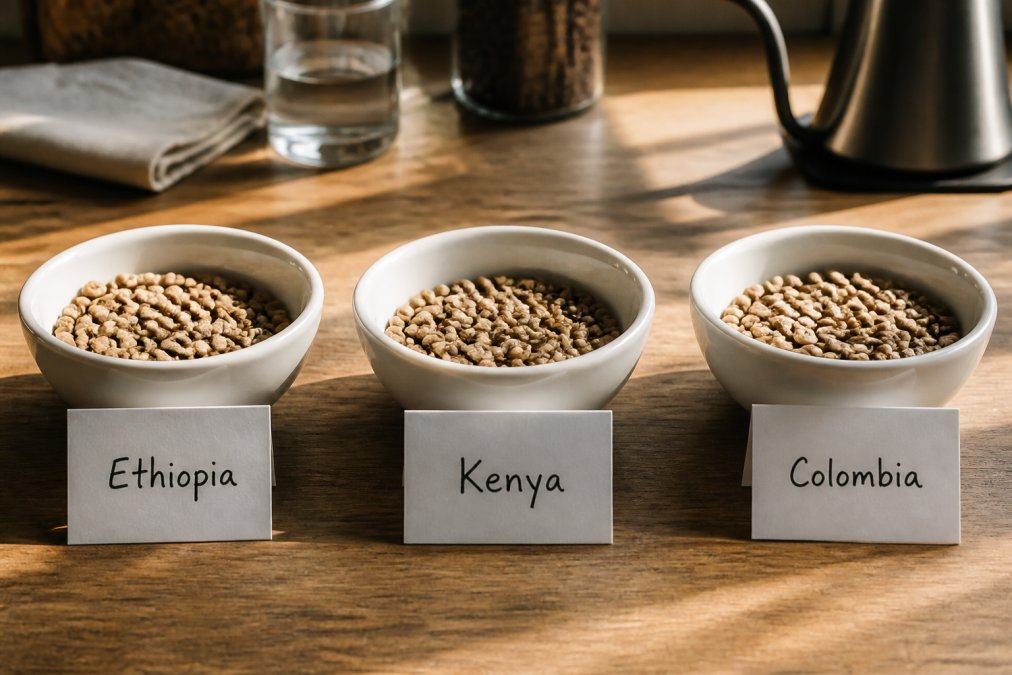
African origins dominate the light roast category because altitude, bean density, and processing methods naturally produce the brightness and complexity that light roasts showcase. Central American beans work well too, though they show more chocolate and body. Asian origins are less common in light roasts because their heavier, earthier character often gets lost in lighter roast profiles.
Ethiopia Natural: Fruity and Complex
Ethiopia Natural represents some of the most distinctive light roasts available. The natural (dry) processing method, where the entire fruit dries on the bean before removal, creates intense fruity and floral notes that light roasting amplifies. Ethiopian beans roasted light show berry, stone fruit, and sometimes wine-like characteristics.
Eager Beaver Roasters sources Ethiopia Natural from smallholder farmers in the Sidama zone at 1,700-1,900 meters elevation. The altitude is crucial: higher elevation means slower bean maturation, building density and complexity. Our roast profile brings out milk chocolate, fruity notes, and caramel sweetness while preserving the natural processing's signature brightness.
Ethiopian naturals are polarizing. The fruit-forward profile appeals to some palates immediately and confuses others expecting traditional coffee flavors. The acidity is pronounced but bright and crisp, not sour. If you prefer chocolate and body over fruit and complexity, this won't be your pick. But if you want to taste what altitude and natural processing produce, Ethiopia Natural is the entry point.
Tanzania: Floral and Bright
Tanzanian light roasts occupy a middle ground between Ethiopian fruit-forward profiles and Central American chocolate notes. They're bright and complex without being aggressively fruity, with jasmine, bergamot, and stone fruit like pear and strawberry.
Eager Beaver Roasters sources Tanzania from small cooperative farmers in the Mbeya region at 1,200-1,900 meters. The Bourbon and Kent bean varietals contribute to the balanced profile. Fully washed processing creates a cleaner cup than natural processing, so origin flavors come through without fermentation notes.
Tanzanian light roasts are approachable for people new to single origins. The brightness is present but not extreme. The body is lighter than medium roast, but the mouthfeel isn't thin. This balance makes Tanzania a reliable choice if you're testing whether single origin light roasts work for your palate.
Uganda: Balanced and Smooth
Uganda light roasts bring balance: not as fruit-forward as Ethiopia, not as floral as Tanzania, but combining elements of both with smoothness that makes them versatile for different brewing methods and palates.
Eager Beaver Roasters sources Uganda from the Sipi region in Kapchorwa District at 1,500-2,500 meters. The higher altitude range pushes toward brightness, but Bourbon varietals (SL14, SL28, and Blue Mountain) contribute body and chocolate notes that prevent the cup from feeling thin. Fully washed and sun-dried processing creates a clean foundation for the origin's natural characteristics.
Uganda works well as a second single origin if you're building your palate. It's less challenging than natural-processed Africans but still shows clear origin character. Floral and chocolate notes appear together rather than competing, making the cup feel integrated.
Coffee Processing Methods Explained: Impact on Light Roasts
Processing method determines how much origin character survives into your cup. Light roasting amplifies these differences rather than smoothing them out.
Washed processing removes the fruit before drying, so the bean's flavor comes from the seed itself and fermentation during washing. Washed coffees taste cleaner, brighter, and more tea-like with pronounced acidity and lighter body. You taste terroir more directly because fruit fermentation notes aren't layered on top. Most specialty light roasts use washed processing because it produces the clarity and complexity that light roasting showcases.
Natural processing dries the entire fruit on the bean, creating fermentation inside the fruit. This adds fruity, wine-like notes to the cup. Natural-processed coffees have more body, more sweetness, and more intense flavor. The acidity feels different, less crisp, more integrated. Natural processing works in light roasts when you want intensity and complexity, but it requires a roaster who understands how to navigate fermentation notes without pushing into over-fermented territory.
Honey processing (pulped natural) removes the fruit but leaves some sticky mucilage on the bean during drying. This creates a middle ground: more body and sweetness than washed, cleaner and brighter than full natural. Honey-processed light roasts show balanced fruit and floral notes without fermentation intensity.
Light roasts demand precision with processing method because the roast isn't doing heavy lifting of flavor development. A washed light roast that's under-extracted will taste thin and sour. A natural light roast that's over-fermented will taste funky rather than complex. This is why sourcing from roasters who understand their bean origins matters.
How Altitude and Terroir Shape Flavor
Altitude is the single most important variable determining light roast quality after processing method. Higher altitude means slower bean maturation, building density and complexity. Dense beans extract differently, requiring hotter water and longer contact time. They also develop more nuanced flavors because the plant has more time to build sugars and acids.
Most specialty light roasts come from 1,500 meters and above (peer-reviewed research). At this elevation, the growing season extends because temperatures stay cooler. The plant's development slows, and the bean accumulates more compounds that create complexity. Ethiopian Sidama at 1,700-1,900 meters produces dramatically different beans than lower-altitude Ethiopian regions.
Terroir encompasses altitude but also includes soil composition, climate patterns, rainfall, and plant genetics. Tanzanian clay mineral soils produce different flavor compounds than Ethiopian Nitisol soils. The same varietal grown in different regions tastes different because soil chemistry, water availability, and temperature patterns differ. This is why single origin matters: you're tasting the complete expression of one place's terroir.
Light roasting is the only roast profile that lets terroir shine through completely. Medium and dark roasts add roasted flavors that mask subtle differences between origins. Light roasts get out of the way.
How to Brew Light Roast Coffee for Maximum Flavor
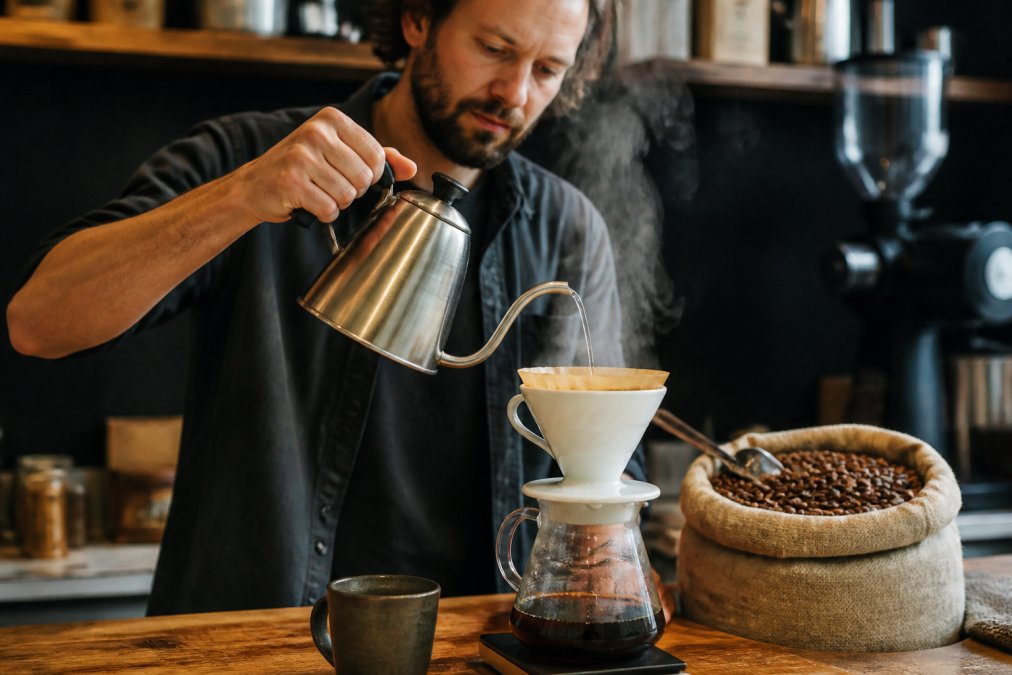
Light roasts demand different brewing parameters than darker roasts because bean density is higher and flavors are more delicate. Getting extraction right is the difference between a bright, complex cup and a thin, sour one.
Water temperature should be 200-205°F for light roasts. Darker roasts tolerate slightly cooler water because beans are already developed. Light roasts need extra heat to properly extract the dense bean structure. Too-cool water under-extracts, tasting sour without the sweetness and complexity that should balance it.
Brew time varies by method. Pour-over typically takes 3-4 minutes. French press takes 4 minutes. Espresso shots should pull 25-30 seconds. Light roasts need longer contact time than dark roasts because beans are denser and extraction happens more slowly.
Grind size matters more for light roasts than any other roast profile. Too coarse and you under-extract, tasting sour and thin. Too fine and you over-extract, tasting bitter and astringent. For pour-over, aim for medium-fine grind, similar to sea salt. For French press, use coarser grind but still finer than for dark roasts. For espresso, dial in carefully: light roasts are unforgiving.
Bloom phase is crucial. Bloom for 30-45 seconds before adding the rest of your water. This allows CO2 to escape and water to penetrate the dense bean structure.
Coffee-to-water ratio should be 1:16 to 1:17. Light roasts are more flavorful than dark roasts, so you don't need as much coffee to achieve a full-bodied cup.
The most common mistake is using the same brewing parameters you'd use for medium or dark roast. Light roasts need hotter water, longer brew time, finer grind, and careful attention to extraction.
Choosing the Right Light Roast for Your Palate
Choosing between light roast origins comes down to understanding what flavor profiles appeal to you and matching that to what each origin naturally produces.
If you like fruit and floral notes, start with Ethiopia Natural or Tanzania. Ethiopia will be more intense; Tanzania will be more balanced.

If you prefer smooth and approachable, Uganda is your entry point. It has origin character without the intensity that polarizes new single origin drinkers.
If you want complexity and nuance, look for high-altitude origins (1,700+ meters) with washed processing. Altitude builds density; washed processing creates clarity.
If you're sensitive to acidity, light roasts aren't your best choice. But if you must drink light roasts, natural-processed beans like Ethiopia Natural will feel less sharp because fruit fermentation creates sweetness that balances acidity.
The only way to know what works for you is to try different origins and pay attention to what you actually taste versus what tasting notes say. Build your preferences by experience, not by description.
| Origin | Roast Level | Flavor Profile | Best Brewing Method | Ideal For |
|---|---|---|---|---|
| Ethiopia Natural | Med-light | Fruity, floral, complex | Pour-over, French press | Adventurous palates seeking intensity |
| Tanzania | Medium-light | Floral, bright, balanced | Pour-over, drip | Approachable single origin entry point |
| Uganda | Medium-light | Balanced, smooth, chocolate | Any method | Versatile, forgiving brewing |
Choosing the best light roast coffee bean origins means understanding what altitude, processing, and terroir contribute to flavor, then matching those characteristics to what your palate responds to. Ethiopia Natural delivers intensity and complexity for people who want their coffee to surprise them. Tanzania offers floral brightness with approachable balance. Uganda provides smooth, versatile character that works across brewing methods.
The real difference between casual coffee and specialty coffee is understanding where your beans grew, how they were processed, and why those choices matter to flavor. Eager Beaver Roasters roasts each origin to order in light profiles specifically because light roasting demands precision and fresh beans. When you order Ethiopia Natural light roast from Eager Beaver Roasters, you're getting beans roasted to the exact moment they hit peak flavor, not beans that sat in a warehouse for months. That difference is tasting in every cup. Find Your Perfect Roast and experience what single origin, carefully roasted light coffee actually tastes like.
Frequently Asked Questions
What makes light roast coffee different from medium or dark roast?
Light roast coffee is removed from heat before the first crack completes, preserving the bean's origin characteristics and acidity. This roast level emphasizes bright, fruity, and floral notes while retaining more caffeine than darker roasts. Light roasts showcase terroir and processing methods more clearly, making them ideal for single origin beans where you want to taste the specific region's flavor profile.
Which origins produce the best light roast coffee beans?
African origins dominate light roast quality. Ethiopia produces complex, fruity beans with floral notes due to high altitude and natural processing. Tanzania delivers bright, jasmine-forward profiles from washed processing at 1200-1900 meters. Uganda offers balanced, smooth cups with mild acidity from its 1500-2500 meter elevation. These regions' altitude and processing methods create the clean cups and distinct flavor profiles light roast enthusiasts seek.
How does altitude affect light roast coffee quality?
Higher altitude slows bean maturation, allowing denser development and more complex sugars. Beans grown above 1500 meters develop higher acidity and brighter flavor compounds. This density is crucial for light roasts, which rely on preserved origin characteristics. Low-altitude beans lack the brightness and complexity that make light roasts special, which is why specialty light roast origins consistently grow at 1200+ meters elevation.
What's the difference between washed and natural processing for light roast coffee?
Washed processing removes the fruit before drying, highlighting acidity and clean cup clarity. Natural processing dries the fruit intact, adding sweetness and body. For light roasts, washed beans (like Tanzania) produce crisp, floral cups, while natural beans (like Ethiopia) deliver fruity, wine-like complexity. Both methods work for light roast, but they create distinctly different tasting experiences from the same origin.
How fresh should light roast coffee be when it arrives at my door?
Light roast coffee peaks 5-14 days after roasting, after degassing completes but while aromatics remain vibrant. Beans roasted to order and shipped immediately ensure you receive coffee at its optimal window. Check the roast date on packaging; anything roasted within the past two weeks will deliver maximum brightness and acidity. Stale light roast loses the delicate floral and fruity notes that define the roast profile.
This article was written using GrandRanker