

Coffee Bean Processing Methods Explained
Table of Contents
- Why Coffee Bean Processing Matters
- The Journey From Cherry to Green Bean
- The Washed Coffee Process
- The Natural Coffee Process
- Honey Process Coffee and Pulped Natural Methods
- Anaerobic Coffee Processing and Modern Techniques
- How Processing Affects Flavor, Aroma, and Quality
- Reading Processing Labels When Buying Coffee
- Frequently Asked Questions
Last Updated: October 18, 2026
Why Coffee Bean Processing Matters
The way coffee beans are processed after harvest determines everything about what ends up in your cup. Before roasting, before grinding, before brewing, the coffee cherry goes through a series of steps that fundamentally reshape its flavor, aroma, and quality. At Eager Beaver Roasters, we've learned that understanding coffee bean processing methods is essential for anyone serious about coffee quality.
Processing isn't just a technical step, it's where the producer makes critical decisions about fermentation time, water use, drying speed, and sorting. These choices cascade into the final cup profile. A coffee processed one way might taste bright and fruity. The same bean, processed differently, could taste earthy and heavy. The processing method is that powerful.
Most coffee drinkers never think about this. They see "Ethiopian Natural" or "Washed Process" on a bag and move on. But that label is telling you the story of how the coffee was made, and if you understand the story, you understand why one coffee costs more, tastes better, or suits your palate more than another.
The Journey From Cherry to Green Bean
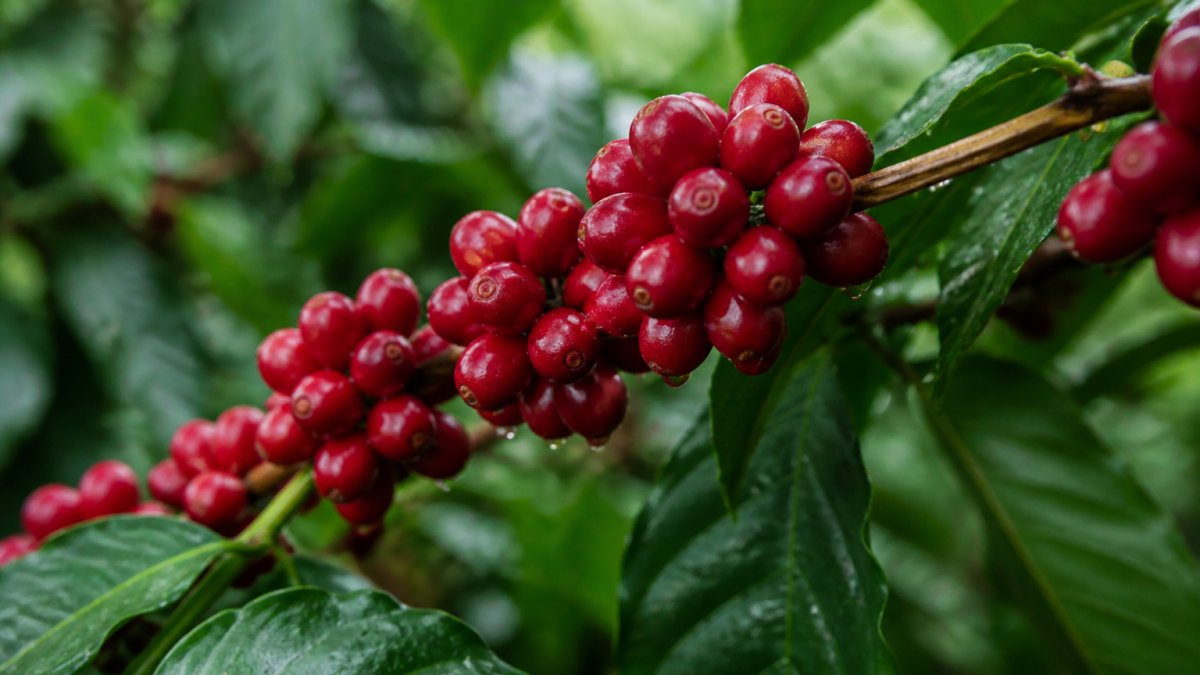
Coffee doesn't start as a bean. It starts as a cherry, a fruit that grows on a coffee plant and contains seeds inside. Those seeds are what we call coffee beans. The journey from cherry to green bean (the stage before roasting) involves removing the fruit and preparing the seed for storage and eventual roasting.
The coffee cherry has several layers: the outer skin, the pulp (called mucilage), a parchment layer, and finally the seed itself. Processing is the art of separating these layers efficiently while preserving or enhancing the bean's flavor potential.
This journey typically happens at the farm or a nearby mill, not in a roastery. Producers make the processing choice based on their climate, water availability, equipment, and the flavor profile they want to achieve. A farmer in a wet climate might choose differently than one in a dry region.
Understanding this stage matters because it's where much of the coffee's character is decided. By the time a roaster receives green beans, the processing method has already locked in certain flavor tendencies. A roaster can enhance or adjust those tendencies, but the processing foundation is already set.
The Washed Coffee Process
The washed process, also called the wet process, is the most common method globally and the most standardized. It's straightforward: remove the fruit, wash away the mucilage, dry the bean in its parchment layer, then hull it to reveal the green bean ready for export.
Here's the sequence: freshly harvested coffee cherries are fed into a depulper, which mechanically removes the skin and most of the pulp. The beans still have a sticky mucilage layer clinging to them. They go into fermentation tanks where they sit in water for 12 to 48 hours. This fermentation breaks down the remaining mucilage through natural enzymes and bacteria. After fermentation, the beans are washed thoroughly to remove any remaining mucilage residue.
Then comes drying. The washed beans are spread on patios, raised beds, or mechanical dryers and dried down to about 11% moisture content. This can take weeks if done slowly on raised beds, or days in a mechanical dryer. Once dry, the parchment layer is removed by a hulling machine, revealing the green bean inside.
The washed process produces clean, uniform cups with bright acidity and clarity. You taste the origin characteristics, the terroir, the altitude, the variety, without heavy fermentation flavors. It's predictable, which is why it's the standard in specialty coffee. It also uses significant water, which is a concern in water-scarce regions.
The Natural Coffee Process
The natural process, also called dry processing, takes a completely different approach. Instead of removing the fruit immediately, the entire coffee cherry is dried whole, fruit and all. Only after the cherry is completely dry is the fruit removed to reveal the green bean inside.
This method is ancient and common in regions with limited water or abundant sunshine. The freshly harvested cherries are spread on patios or raised beds to dry in the sun. This takes three to four weeks in ideal conditions. The cherry shrinks and hardens as it dries. Producers turn the cherries regularly to ensure even drying and prevent mold or fermentation problems.
Once dry, mechanical hullers crack open the dried fruit and remove all the layers at once, skin, pulp, parchment, and dried mucilage. What emerges is the green bean. Because the bean dried inside the fruit, it absorbed sugars and flavor compounds from the cherry flesh. This creates naturally sweeter, fruitier coffees with lower acidity and heavier body.
Natural processing produces coffees that taste fruit-forward: berries, stone fruits, sometimes even wine-like notes. The flavor is bolder and less clean than washed coffees. Our Ethiopia Natural, for example, comes from smallholder farmers in the Sidama zone using traditional natural processing on raised beds, delivering milk chocolate and fruity notes that define the origin.

Honey Process Coffee and Pulped Natural Methods
Honey processing and pulped natural processing sit between washed and natural methods. They're also called semi-washed or wet-hulled processing depending on the region. The idea is to remove some of the fruit but leave some of the mucilage on the bean during fermentation and drying.
In honey processing, the cherry is depulped like a washed coffee, but instead of fermenting and washing away all the mucilage, the beans are dried with some or all of the mucilage still attached. The amount of mucilage left on, called the honey or mucilage layer, is the variable. Leave 100% on and you're closer to natural. Remove most of it and you're closer to washed.
The beans dry with this sticky mucilage layer, which adds sweetness and body to the cup. Fermentation happens slowly as the mucilage breaks down during drying. The result is a cup with more sweetness and body than washed coffees, but more clarity and acidity than natural coffees. It's a middle ground, and it's become very popular in specialty coffee because it offers complexity without the risk profile of full natural processing.
Drying time is typically two to three weeks on raised beds. Producers must manage moisture carefully, too fast and the mucilage doesn't ferment properly; too slow and defects develop. The skill required is higher than washed processing, which is why quality honey processed coffees command premium prices.
Anaerobic Coffee Processing and Modern Techniques
Anaerobic processing is a newer method gaining attention in specialty coffee. It involves fermenting coffee in sealed, oxygen-free environments, controlling temperature and fermentation time precisely. This creates predictable, intense flavor profiles that wouldn't develop in traditional open fermentation.
The process typically begins with depulping, similar to washed or honey processing. Instead of open fermentation tanks, the beans go into sealed containers or tanks where oxygen is removed or controlled. Producers monitor pH and temperature as wild yeasts and bacteria ferment the coffee in this controlled environment. Fermentation can last days or weeks depending on the desired outcome (Development of Fermentation Strategies for Quality Mild Coffee Production (Coffea arabica...).
The result is coffees with intense, often unusual flavor notes, tropical fruits, floral notes, sometimes funky or wine-like characteristics. Anaerobic processing appeals to adventurous coffee drinkers and specialty roasters pushing flavor boundaries. It's technically demanding and carries higher risk, so it's typically used on premium lots.
Other modern techniques include carbonic maceration (fermenting whole cherries in CO2-rich environments), extended fermentation in open tanks (sometimes 100+ hours), and temperature-controlled fermentation. These methods are experimental but increasingly common at specialty coffee farms. They represent producers and roasters treating coffee processing as a craft where intentional choices create distinct, memorable cups.
How Processing Affects Flavor, Aroma, and Quality
Processing method is one of the biggest flavor levers in coffee. It determines how much fermentation happens, which microbes are involved, how long sugars break down, and what compounds develop in the bean. These factors directly shape the cup profile.
Washed coffees tend toward clean, bright, acidic profiles because fermentation is controlled and limited. The acidity often tastes like citrus or berries. The body is typically lighter to medium. Flavor clarity is high, you taste individual origin characteristics clearly.
Natural coffees develop deeper fermentation because the fruit stays on longer. Yeast and bacteria work longer on sugars. The result is sweeter, fruitier, sometimes winey or boozy notes. Body is heavier. Acidity is lower.
Honey processed coffees split the difference. Fermentation is moderate. Sweetness is present but acidity isn't completely muted. Body is medium to full. You get complexity, some fruit, some clarity, some sweetness.
Anaerobic processing, because it's controlled and intentional, can produce almost any profile the producer designs. The key variable is fermentation time and temperature. Short, cool fermentation produces different flavors than long, warm fermentation.
Processing also affects physical quality. Washed coffees are typically the cleanest, fewer defects, more uniform size and density. Natural coffees have more variability because drying is less controlled. Honey processed coffees fall in the middle. Defects matter because they affect cup quality.
Reading Processing Labels When Buying Coffee
When you see a coffee label, the processing method is usually stated clearly.
"Washed" or "wet process" means clean, bright, acidic. Good for filter brewing, pour-overs, and lighter roasts where you want clarity.
"Natural" or "dry process" means fruity, sweet, heavy-bodied. Good for espresso, French press, and darker roasts where body and sweetness matter. If you like bold, distinctive flavors, naturals are your choice.
"Honey process," "pulped natural," or "semi-washed" means a blend of characteristics, some sweetness and body, some acidity and clarity. Versatile across brewing methods.
"Anaerobic," "carbonic maceration," or other modern methods indicate experimental, intentional fermentation. These are typically premium and designed for adventurous drinkers who want something unusual.
Some labels also mention fermentation time ("48-hour fermentation") or drying method ("raised bed dried"). These details matter. Longer fermentation typically means more intense, funky flavors.
When you're choosing coffee, processing method is your first filter. Decide whether you want clarity or boldness, brightness or body. Then match that to the processing method.
The processing method is printed on every bag for a reason. It's not just technical jargon.
Understanding coffee bean processing methods transforms how you approach coffee. You move from passive consumption to informed choice.
If you're ready to taste the difference processing makes, explore coffees roasted to order at Eager Beaver Roasters.
Frequently Asked Questions
What is the difference between washed and natural coffee bean processing?
Washed processing removes the fruit before drying, resulting in cleaner, more acidic cups with pronounced origin characteristics. Natural processing dries the entire cherry intact, creating fruitier, sweeter, and fuller-bodied coffees. Washed coffees typically require less fermentation time and produce more uniform batches, while natural coffees take longer to dry and offer more complexity but higher variability. Both methods are common worldwide, though washed processing dominates in Central America and East Africa, while natural processing thrives in Ethiopia and Brazil.
How does honey process coffee differ from other processing methods?
Honey process coffee sits between washed and natural methods. The fruit skin is removed, but some or all of the sticky mucilage (the fruit's sweet layer) stays on the bean during drying. This creates a cup with balanced sweetness and acidity, more body than washed coffee, but cleaner than natural. The amount of mucilage left determines the final profile: more mucilage yields sweeter, fuller cups. Honey processing requires precise fermentation control to prevent defects and takes 1-3 weeks to dry, making it technically demanding but rewarding for producers seeking distinctive flavor.
What is anaerobic coffee processing and why do producers use it?
Anaerobic processing ferments coffee beans in sealed, oxygen-free containers before drying. This controlled fermentation intensifies fruity, funky, and complex flavors that can't develop under normal conditions. Producers seal depulped or whole cherries in tanks for 24-120 hours, then dry them as usual. The result is bold, experimental coffee with pronounced berry, wine, or tropical notes. Anaerobic processing is increasingly popular among specialty roasters seeking unique cup profiles and allows producers to experiment with flavor in ways traditional methods cannot replicate.
Does coffee processing method affect how fresh the beans stay?
Processing method influences moisture content and storage stability, but roast date matters far more for freshness. Washed coffees, which dry to lower moisture levels, store slightly longer than natural coffees. However, all green coffee beans remain stable for months in proper storage. What affects your cup at home is roast date and how you store roasted beans. Eager Beaver Roasters roasts to order and ships fresh, so you receive beans at peak flavor regardless of processing method. Store roasted coffee in an airtight container away from heat and light for maximum freshness.