

Craft Instant Coffee Alternatives for Specialty Drinkers
Table of Contents
- What Is Craft Instant Coffee?
- How to Choose Specialty Coffee Beans for Instant Brewing
- Best Specialty Coffee Roasters Offering Instant Options
- Brewing Methods That Maximize Flavor in Instant Coffee
- Specialty Coffee Subscription Services vs. One-Time Purchase
- Craft Instant Coffee vs. Traditional Brewing: The Real Difference
- Why Craft Instant Coffee Deserves a Second Look
- Conclusion
Last Updated: August 14, 2026
What Is Craft Instant Coffee?
Craft instant coffee uses specialty-grade beans from single-origin farms or curated blends, then freeze-dried or spray-dried using methods that preserve flavor complexity. Unlike mass-produced instant varieties that strip beans through high-heat extraction, craft producers start with exceptional beans, brew carefully, then use gentler drying techniques that lock in the original flavor profile.
What separates craft instant coffee from commodity alternatives is transparency. Producers disclose roast dates, bean origins, and processing methods. You know whether your instant comes from a single microlot in Ethiopia or a blend sourced from multiple regions.
Eager Beaver Roasters exemplifies this shift. Their Instant Coffee with Mushroom ($22.99) combines specialty-grade beans with functional additions like Lion's Mane, Cordyceps, and Reishi mushrooms. Each package provides about 42 servings, roughly 55 cents per cup, with no fillers or shortcuts. The real mushroom powder means you'll see minor sediment at the bottom, a sign of authenticity that separates craft products from sterile alternatives.

The convenience factor is real but secondary. The actual appeal for serious coffee drinkers is that you're not sacrificing flavor for speed.
How to Choose Specialty Coffee Beans for Instant Brewing
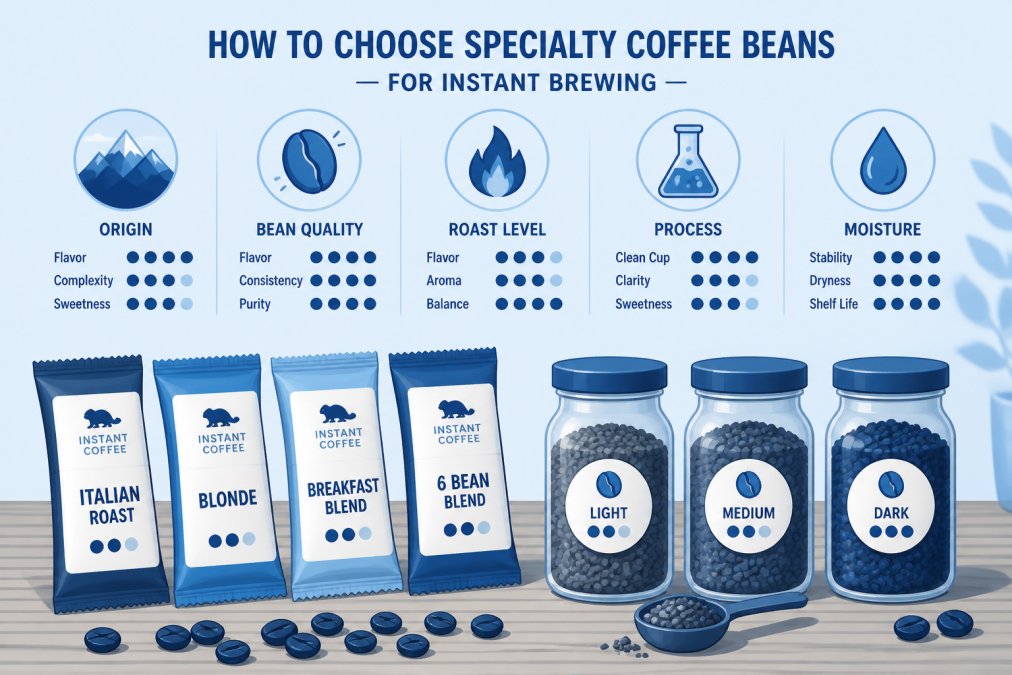
Selecting specialty coffee for instant brewing requires different criteria than choosing whole beans. Focus on three core factors: roast profile, origin story, and processing transparency.
Roast Profile and Flavor Clarity
The roast profile determines what flavor characteristics survive instantization. Light roasts preserve origin-specific tasting notes like floral notes in Ethiopian Yirgacheffe or berry complexity in Colombian Geisha. Medium roasts balance acidity with body. Dark roasts emphasize body and chocolate or caramel notes, which translate well through instant processing.
In instant coffee, lighter roasts can taste thin if instantization isn't executed perfectly. Medium roasts offer more margin for error while maintaining complexity.
Flavor clarity refers to how distinctly you can identify individual tasting notes. A well-processed craft instant should let you taste specific characteristics: citrus, stone fruit, chocolate, nuts, or spice. Generic coffee taste means the instantization process failed to preserve complexity.
Single-Origin vs. Blend Considerations
Single-origin instant coffees showcase distinct terroir: the specific characteristics imparted by climate, altitude, soil, and farming practices. A single-origin Ethiopian instant tastes different from a single-origin Brazilian instant because growing conditions and processing methods differ fundamentally.
Blends combine beans from multiple origins to create a balanced, consistent profile. For craft instant coffee specifically, single-origin offerings tend to be more interesting. They're a producer's chance to showcase what makes their sourcing and processing unique.
If you're reaching for instant coffee during a busy morning, a reliable blend makes sense. If you're exploring craft instant coffee as a category, start with single-origin options to understand what the category can deliver.
Best Specialty Coffee Roasters Offering Instant Options
The specialty instant coffee market includes producers ranging from established names to emerging roasters. Quality varies significantly, so understanding what separates leaders from mediocre players is essential.
Mushroom-Infused Instant Coffee
Mushroom-infused instant coffee combines craft instant coffee with adaptogenic or functional mushrooms, typically Lion's Mane, Cordyceps, or Reishi, creating a product positioned as both morning caffeine and wellness support.

Eager Beaver Roasters' Instant Coffee with Mushroom ($22.99) uses real mushroom powder rather than extracts. This distinction matters. Extracts are concentrated compounds; real powder preserves the full mushroom profile, including fiber and minor bioactive compounds. The product delivers about 42 servings per package, making the per-serving cost reasonable for a specialty product.
The flavor impact is subtle but real. Lion's Mane adds mild umami and earthiness. Cordyceps contribute slight sweetness. Reishi rounds out the profile with grounding, slightly bitter notes. The cup remains recognizably coffee, not a medicinal tonic.
Single-Origin Instant Roasts
Single-origin instant offerings showcase specific microlots or regional characteristics. These products cost more because sourcing exceptional single-origin beans requires direct relationships with farms and selective harvesting.
When evaluating single-origin instant options, look for specific information: the farm or cooperative name, elevation, harvest date, and processing method. Vague descriptions like "Ethiopian coffee" tell you nothing. Specific details like "Yirgacheffe, Gedeo Zone, 1,950m elevation, washed process, 2026 harvest" indicate a producer who cares about traceability.
The flavor profile should reflect its origin. An Ethiopian Yirgacheffe should have floral or citrus notes. A Kenyan AA should show berry complexity. A Sumatran Mandheling should emphasize earthy, full-bodied characteristics. If the instant doesn't taste like what its origin suggests, either the beans weren't good or processing failed.
Single-origin instant coffees work best for intentional coffee moments. Brew them mindfully, and you'll understand why specialty coffee producers are investing in this category.
Brewing Methods That Maximize Flavor in Instant Coffee
The way you prepare craft instant coffee affects the final cup as much as the beans themselves. Water quality, temperature, and technique all influence flavor extraction and mouthfeel.

Water Temperature and Solubility
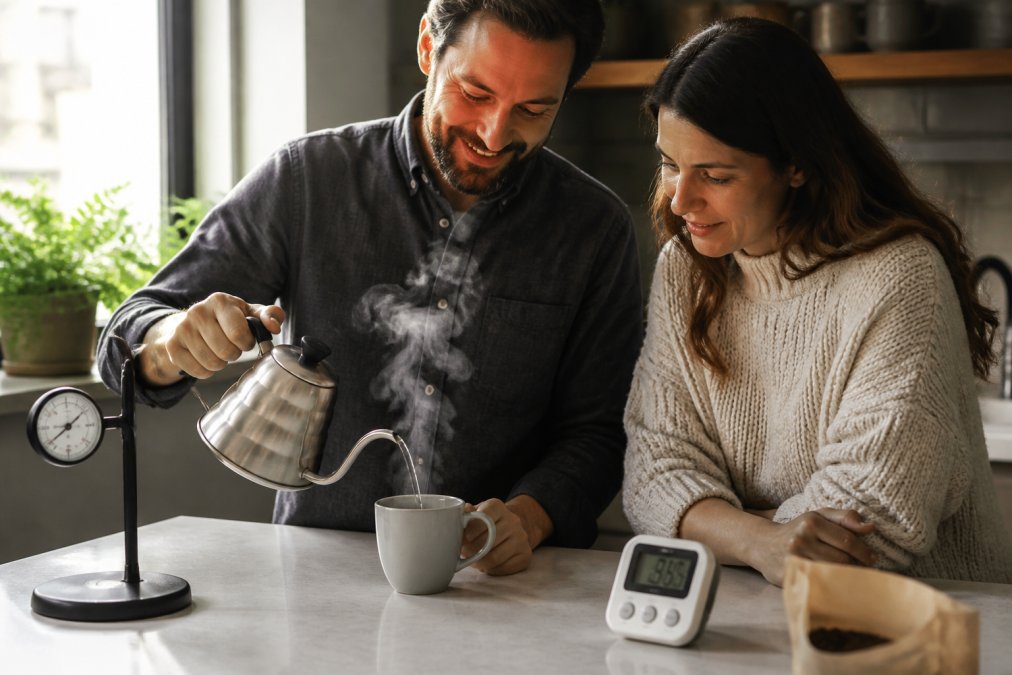
Water temperature directly controls how quickly coffee solids dissolve and how completely flavor compounds extract. Instant coffee dissolves fastest in near-boiling water (195-205°F), but this temperature can over-extract, making the cup bitter or harsh.
The optimal approach is slightly cooler water: 190-200°F. At this range, solids dissolve completely within 30 seconds of stirring, but you avoid aggressive extraction that damages delicate flavor notes. If your water is hotter than 205°F, let it cool for 30 seconds after boiling before adding instant coffee.
Water quality matters more than most people realize. Mineral content, chlorine, and pH all affect taste. Filtered water produces noticeably better results than tap water in most regions.
Pour-Over and Flash Brew Techniques
Pour-over brewing with instant coffee works well. Dissolve instant coffee in a small amount of hot water (1-2 ounces), then pour this concentrate over ice or into a larger volume of cooler water. This technique gives you more control over flavor intensity and temperature.
The flash brew method, pouring hot water over instant coffee and immediately adding ice, creates a smoother, less bitter cup. The rapid cooling stops extraction mid-process, preserving brightness while developing body. This approach works particularly well with single-origin instant coffees where you want to emphasize specific flavor notes.
Experiment with ratios. A standard cup uses roughly 1 teaspoon of instant coffee per 6 ounces of water. Adjust based on preference.
Specialty Coffee Subscription Services vs. One-Time Purchase
The subscription vs. one-time purchase decision depends on consumption rate, storage capacity, and budget predictability.
Subscription services deliver fresh instant coffee on a regular schedule, typically every two weeks or monthly. The main benefit is consistency: you always have fresh stock and never run out. Most services offer customization. The downside is commitment. If your tastes change or consumption drops, you're locked into a recurring payment.
One-time purchases offer flexibility. Buy when you need it, skip when you don't. No recurring charges, no cancellation hassles. The tradeoff is that you need to remember to order, and you might end up with stale coffee if you forget.
For remote workers going through roughly half a pound weekly, a subscription makes sense. For occasional drinkers or those exploring the category, one-time purchases let you try different roasters without long-term commitment.
Eager Beaver Roasters' instant coffee ($22.99 per package) is available as a one-time purchase, appealing to buyers who want to sample the product or maintain flexibility.
Craft Instant Coffee vs. Traditional Brewing: The Real Difference
The comparison between craft instant coffee and traditional brewing reveals genuine tradeoffs rather than a clear winner.
Convenience Without Sacrificing Quality
This is the central promise of craft instant coffee: speed without compromise. Traditional brewing requires equipment, technique, and time. Instant coffee requires hot water and 30 seconds of stirring.
A well-made craft instant coffee tastes noticeably better than mass-market instant. Whether it tastes as good as freshly brewed specialty coffee depends on the specific products being compared. Some craft instant coffees outperform mediocre pour-overs. Few match an expertly pulled espresso or carefully executed pour-over using exceptional whole beans.
The real value proposition is achievable excellence. Brewing excellent coffee requires skill and equipment. Making excellent instant coffee requires only hot water. This democratizes quality in a meaningful way.
Flavor Retention and Freshness Timeline
Instant coffee has a longer shelf life than whole beans or ground coffee. Once dried, instant coffee remains stable for months if stored properly, away from light, heat, and moisture. However, instant coffee begins losing flavor complexity within weeks of opening.
Whole bean coffee begins losing freshness immediately after roasting, with peak flavor typically one to four weeks. Ground coffee degrades even faster, within days of grinding. From this perspective, instant coffee actually preserves freshness better than pre-ground alternatives.
The flavor retention advantage favors instant coffee for convenience-focused drinkers. If you're not going to brew whole beans regularly, instant coffee that stays fresher longer makes more practical sense.
Why Craft Instant Coffee Deserves a Second Look
Many specialty coffee enthusiasts dismiss instant coffee reflexively. The category's history of low-quality products created lasting skepticism that obscures what modern craft instant coffee actually delivers.
Craft instant coffee isn't a replacement for whole-bean specialty coffee. It's a distinct category with its own strengths. It excels at providing consistent quality with minimal effort and eliminates variables that make home brewing difficult.
The economics matter too. A cup of craft instant coffee costs roughly 55 cents to make at home. Specialty coffee from a café costs four to six dollars. For daily drinkers, this difference compounds significantly.
The sustainability angle is underexplored. Instant coffee requires less water than traditional brewing. Packaging tends to be minimal. The shelf stability means less waste from spoilage. For environmentally conscious drinkers, instant coffee can actually be the more responsible choice.
Most importantly, craft instant coffee has improved dramatically. The products available in 2026 bear little resemblance to instant coffee of previous decades. If you haven't tried modern craft instant coffee, your previous experience likely doesn't apply.
Craft instant coffee has evolved from a convenience compromise into a legitimate expression of specialty coffee culture. The category offers real quality, genuine convenience, and surprising flexibility for exploration. Whether you're a remote worker seeking efficiency, a specialty coffee enthusiast wanting to expand your options, or someone exploring whether craft instant coffee actually delivers on its promises, the answer is worth discovering yourself.
Eager Beaver Roasters' approach demonstrates what's possible when a craft producer commits to instant coffee. Their Instant Coffee with Mushroom ($22.99) combines specialty-grade beans with functional additions, no fillers, and transparent sourcing. The roast-to-order model ensures freshness. Find Your Perfect Roast and experience how seriously the category takes quality.
Frequently Asked Questions
What makes craft instant coffee different from regular instant coffee?
Craft instant coffee uses specialty-grade beans sourced from trusted farms and roasted to specific profiles before instantization, preserving tasting notes and aroma. Regular instant coffee often comes from lower-grade commodity beans and relies on fillers or extraction shortcuts. The result: craft instant delivers the flavor clarity and mouthfeel of fresh-roasted coffee without the brewing time. Single-origin craft options highlight specific terroir and cupping scores, while mass-market instant typically blends anonymous sources.
How should I brew craft instant coffee to get the best flavor?
Start with water between 195-205°F to optimize solubility without burning delicate tasting notes. Add instant coffee first, then pour water slowly to control extraction and prevent sediment clumping. Let it steep for 30-45 seconds before stirring. For deeper body and mouthfeel, try the pour-over method: place instant coffee in a filter, pour hot water in stages, and let it drip into your cup. This slows extraction and enhances flavor clarity compared to a quick stir.
Are specialty coffee subscription services worth it compared to buying once?
Subscription services excel if you drink craft instant coffee regularly and want guaranteed freshness. Most roast-to-order services ship within days of roasting, preserving aroma and acidity. One-time purchases work if you consume your order within 2-3 weeks and store it properly. Subscriptions often offer flexibility to pause or adjust frequency, addressing concerns about coffee going stale. Compare the per-serving cost: specialty roasters typically charge $20-23 per bag, yielding 40+ servings, making subscription convenient for remote workers and morning ritual enthusiasts.
What roast profile should I choose for instant coffee?
Light roasts preserve origin-specific tasting notes and acidity, ideal if you want to taste single-origin character. Medium roasts balance flavor clarity with body, suiting most palates and pairing well with milk. Dark roasts deliver bold mouthfeel and reduced acidity, perfect for espresso-style preparation or traditional brewing. Start with medium if unsure; it's forgiving and showcases the roaster's craft without overwhelming. If you prefer smooth cups without sharp acidity, lean toward medium or dark.
This article was written using GrandRanker