

Ethiopian Light Roast Flavor Notes: A Complete Guide
Table of Contents
- What Makes Ethiopian Light Roast Flavor Unique
- Flavor Profile Breakdown: Citrus, Floral, and Fruity Notes
- Ethiopian Yirgacheffe Flavor Profile vs. Harrar Regions
- Washed vs Natural Process Coffee: How Processing Changes Flavor
- How to Brew Light Roast Coffee for Maximum Flavor
- Common Mistakes That Ruin Ethiopian Light Roast Flavor
- Tasting Notes Breakdown: How to Identify Each Flavor
- Frequently Asked Questions
Last Updated: September 20, 2026
What Makes Ethiopian Light Roast Flavor Unique
Ethiopian light roast flavor is distinctive because of high altitude, indigenous heirloom varieties, and processing methods that preserve the bean's natural complexity. Unlike heavier roasts that mask origin characteristics, light roasts highlight the terroir, the environmental factors that shape how coffee develops in the cup.
Ethiopian light roast excels in brightness and delicacy, with floral and fruity notes rather than chocolate and caramel. The acidity is vibrant without being sharp, creating a tea-like mouthfeel that feels clean and balanced. At Eager Beaver Roasters, we source beans from specific regions and roast them lightly to preserve these nuanced characteristics.
The altitude of Ethiopian growing regions, typically between 1,700 and 2,000 meters, develops complex sugars and acids that light roasting is designed to showcase. Roasting too dark burns away these qualities.
Flavor Profile Breakdown: Citrus, Floral, and Fruity Notes
The flavor profile of Ethiopian light roast centers on three distinct sensory categories: citrus brightness, floral aromatics, and stone fruit complexity. These aren't subtle background notes, they're the primary experience in the cup, and they appear consistently across different regions and processing methods.
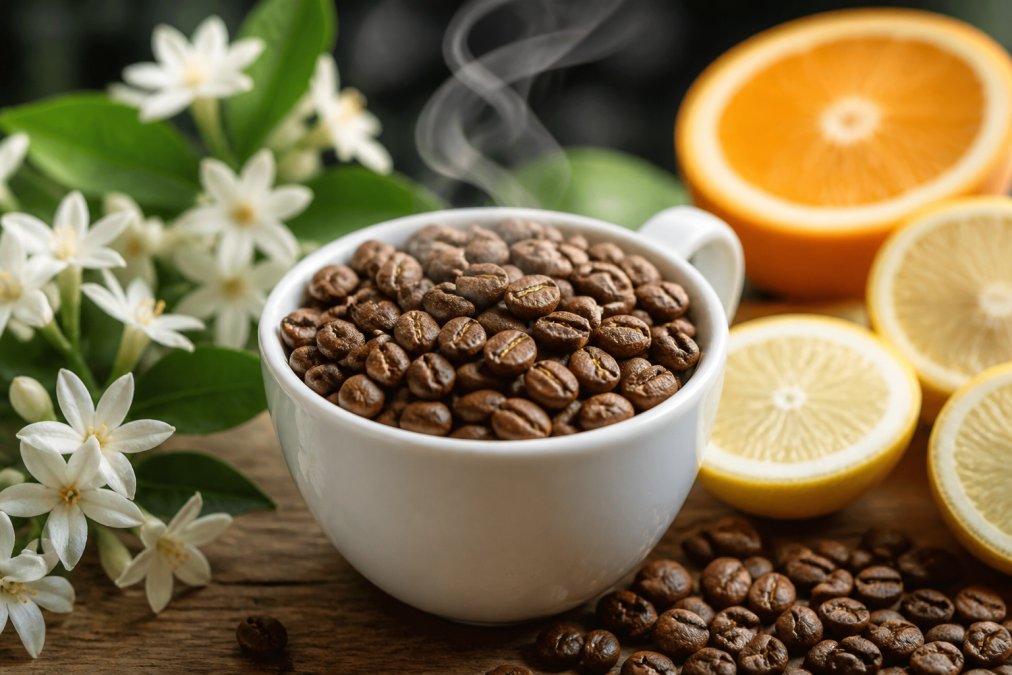
Citrus notes emerge as lemon, orange, or bergamot depending on the lot and processing. These are genuine flavor compounds developed during growth and preserved through light roasting. The acidity that creates this citrus perception signals freshness and complexity, not sourness, acidity and bitterness are opposite characteristics.
Floral characteristics include jasmine, hibiscus, or rose notes, emerging most prominently in naturally processed beans where fruit remains in contact with the bean during drying. Once identified, the floral aspect becomes a defining part of the experience.
Fruity notes range from stone fruits like apricot and peach to berries like blueberry and strawberry, more pronounced in washed process coffees. The fruit character feels clean and crisp rather than syrupy, which would indicate over-extraction or over-roasting.
Bright Acidity and Tea-Like Body
The bright acidity of Ethiopian light roast is its signature characteristic, creating clarity and complexity on the palate. Light roasting preserves the medium-to-high acidity levels that develop from altitude and processing.
The body tends toward the lighter side with a delicate, tea-like mouthfeel, smooth and clean without heaviness or drying sensation. The body complements the acidity rather than overwhelming it, creating balance.
This combination of bright acidity and light body makes Ethiopian light roasts refreshing rather than filling, offering complexity without fatigue.
Aroma Characteristics You'll Notice
The aroma of Ethiopian light roast hits before you taste it, volatile aromatic compounds developed during growth and preserved through light roasting, including jasmine, citrus, honey, and spice notes like cardamom or clove.
Fresh roasted coffee releases aromatics most intensely in the first 5-10 minutes after grinding, with complex, layered aromas that progress from floral sweetness to citrus brightness to subtle spice.
Aroma intensity correlates with freshness. Eager Beaver Roasters roasts to order so the aromatics you experience are at their peak, signaling maximum flavor potential.
Ethiopian Yirgacheffe Flavor Profile vs. Harrar Regions
Ethiopia's two primary coffee-producing regions, Yirgacheffe and Harrar, produce distinctly different flavor profiles that help you choose the right coffee for your preferences.
Washed vs Natural Process Coffee: How Processing Changes Flavor
Processing method is one of the most significant factors shaping the final flavor profile of Ethiopian light roast coffee. The two primary methods, washed and natural, create noticeably different sensory experiences from the same bean variety.
Washed process removes fruit immediately after harvest, producing cleaner, more refined flavors with brighter acidity, pronounced floral notes, and crisper fruit character. Washed coffees tend toward citrus, jasmine, and stone fruit notes.
Natural process leaves fruit on the bean during 3-4 weeks of drying, creating a sweeter cup with honey sweetness, deeper berry notes, and fuller body. This method uses less water and is increasingly common as sustainability becomes a priority.
Washed process emphasizes the bright, floral, tea-like character that defines Ethiopian light roast flavor, while natural process brings out fruit sweetness and body. Both are valid depending on preference.
How to Brew Light Roast Coffee for Maximum Flavor
Brewing light roast coffee requires slightly different technique than darker roasts due to denser bean structure. Getting the technique right unlocks the full potential of the flavor notes.
The fundamental principle is control: water should contact grounds evenly, extracting soluble compounds while avoiding over-extraction. Light roasts are actually harder to under-extract than over-extract.
Use water temperature between 195-205°F (200°F is standard). A simple digital thermometer under $15 eliminates guessing and ensures consistency.
Brew time depends on method: pour-over 3-4 minutes, French press 4 minutes, espresso 25-30 seconds. Consistency allows you to identify what's working.
Grind Size and Water Temperature Sensitivity
Grind size must match your brewing method precisely. Light roasts are denser than dark roasts, so water moves through them more slowly. Too coarse causes under-extraction; too fine causes over-extraction.
Pour-over: medium-fine grind (slightly finer than table salt). French press: coarse grind. Espresso: fine grind. Light roast density often requires a slightly finer grind than dark roasts.
Water temperature sensitivity matters more with light roasts. A 5-degree difference can noticeably affect extraction. If brews taste sour, raise temperature; if bitter, lower it.
Grind consistency is equally important. A burr grinder is essential; blade grinders create inconsistent particle sizes that sabotage light roast brewing.
Storage and Degassing for Peak Flavor
Coffee begins losing flavor after roasting. Degassing, the release of carbon dioxide, affects how quickly flavor compounds degrade. Proper storage extends peak flavor.
Store beans in an airtight container away from light, heat, and humidity. Whole beans maintain peak flavor for 2-3 weeks; ground coffee is best used within days.
Degassing happens fastest in the first 24-48 hours after roasting. Many specialty coffee drinkers wait 3-5 days after roasting before brewing to allow degassing to complete, though some prefer the brighter character of fresh-roasted coffee.
Eager Beaver Roasters roasts to order, so your coffee arrives at peak freshness. If you prefer fully degassed coffee, wait a few days after arrival before opening the bag.
Freezing is controversial in the coffee world. Some argue that freezing extends shelf life; others claim it damages the beans. The consensus among specialty coffee professionals is that freezing in an airtight container can preserve beans for months if you're not going to use them immediately. However, for regular consumption, room-temperature storage in an airtight container works fine for 2-3 weeks.
Common Mistakes That Ruin Ethiopian Light Roast Flavor
Understanding what goes wrong helps you avoid the pitfalls that turn excellent coffee into a disappointing cup. Most mistakes relate to brewing technique, storage, or equipment rather than the coffee itself.
The most common mistake is using water that's too hot or too cold. Water below 190°F under-extracts, leaving the cup sour and thin. Water above 210°F over-extracts, creating bitterness that masks the delicate floral and citrus notes. A simple thermometer solves this problem entirely.
Using a grind that doesn't match your brewing method is the second major mistake. Light roast beans are denser, so they need slightly finer grinds than you might expect. If you're using a grind designed for dark roasts, you're likely under-extracting your light roast. Adjust the grind finer and taste the difference.
Brewing with stale coffee is another preventable error. Coffee that's been sitting in a bag for months has lost most of its aromatic compounds and complexity. The flavor notes of Ethiopian light roast depend on those compounds. Using fresh-roasted beans is non-negotiable for tasting what makes these coffees special.
Over-extracting through excessive brew time or too-fine grinds creates bitter, astringent cups that taste nothing like the intended profile. Many people blame the coffee when the problem is technique. Light roasts are actually more forgiving than dark roasts if you use reasonable brewing parameters.
Storing beans in clear containers or near heat sources degrades flavor rapidly. Light, heat, and oxygen are enemies of fresh coffee. An opaque, airtight container in a cool cabinet keeps beans fresh far longer than a clear jar on the counter.
Tasting Notes Breakdown: How to Identify Each Flavor
Identifying specific flavor notes in coffee is a skill that develops with practice. Most people can taste that Ethiopian light roast is different from other origins, but pinpointing specific notes takes attention and vocabulary.
Start by smelling the grounds before brewing. Close your eyes and inhale deeply. What's the first thing you notice? Is it floral, fruity, or something else? Don't overthink it, your first instinct is usually correct. Write down the word that comes to mind.
Now brew and take the first sip while it's hot. Let it coat your mouth for a moment before swallowing.
Frequently Asked Questions
What are the typical flavor notes of Ethiopian light roast coffee?
Ethiopian light roast typically delivers bright citrus (lemon, orange), floral notes (jasmine, hibiscus), and fruity undertones (blueberry, apricot). The acidity is vibrant and clean, with a delicate, tea-like mouthfeel. Single-origin Ethiopian beans highlight the terroir of their specific region. The exact tasting notes depend on altitude, heirloom variety, and processing method (washed or natural).
What is the difference between washed and natural Ethiopian coffee flavors?
Washed process Ethiopian coffee produces a cleaner, brighter cup with pronounced citrus and floral notes because water removes the fruit during processing. Natural process coffee retains the fruit layer, creating a syrupy body, higher sweetness, and more prominent berry and honey notes. Washed coffees showcase acidity and delicate flavors; natural coffees are full-bodied with complex fruit-forward profiles. Both methods preserve terroir, but natural processing emphasizes the fruit character while washed processing highlights the bean's inherent brightness.
How does light roasting affect the flavor of Ethiopian beans?
Light roasting preserves the origin's natural flavor compounds, the floral, fruity, and citrus notes that make Ethiopian coffee distinctive. Darker roasts mask these delicate characteristics with roast-driven flavors like chocolate and caramel. Light roasts maintain higher acidity and more vibrant aromatics, allowing the heirloom varieties and altitude to shine through.
What is the best brewing method for Ethiopian light roast coffee?
Pour-over methods work best for Ethiopian light roast because they allow precise water temperature control (195-205°F) and extraction time, highlighting bright acidity and delicate flavors. Use a medium-fine grind. Brew for 3-4 minutes to extract the full flavor spectrum without over-extracting bitterness. French press can work but may over-extract the light roast's delicate notes. Always use beans roasted within 2-4 weeks for maximum aroma and flavor clarity.