

Is Craft Coffee Worth the Extra Cost in 2026
Table of Contents
- What You're Actually Paying For: Craft Coffee vs Grocery Store Coffee
- The Flavor Profile Difference: Why Fresh-Roasted Tastes Better
- Cost Per Cup Breakdown: Craft vs Commodity Coffee
- How to Choose a Coffee Subscription That Fits Your Budget
- Equipment ROI: What It Actually Costs to Brew Specialty Coffee at Home
- The Sustainability Question: Does Premium Coffee Justify Its Environmental Impact
- Is a Coffee Subscription Worth the Investment
- Conclusion
Last Updated: August 18, 2026
What You're Actually Paying For: Craft Coffee vs Grocery Store Coffee
When you buy craft coffee, you're paying for a fundamentally different product. Craft roasters source from specific farms and regions with full traceability, while commodity coffee blends beans from multiple origins with no transparency. Understanding this difference is the first step in deciding whether the extra cost makes sense for you.
Bean Quality and Single Origin Selection
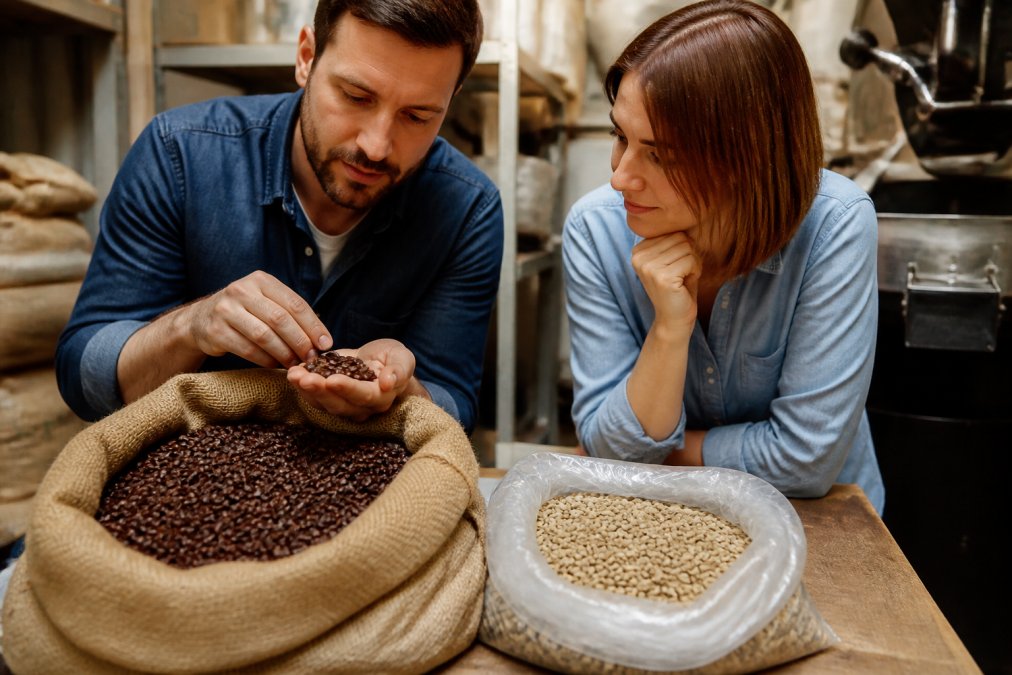
Craft coffee roasters source single origin beans graded 80+ on the Specialty Coffee Association scale, while commodity coffee often scores in the 60s. That gap represents real differences in how beans were grown, harvested, and processed. A single origin coffee like Eager Beaver Roasters' Ethiopia Natural comes from smallholder farmers in the Sidama zone, where altitude, soil type, and processing method influence the final flavor profile.

Farmers producing higher-quality beans invest in selective picking, proper fermentation, and careful drying. Craft roasters often work directly with farms, building relationships that ensure consistent quality and fair compensation for growers.
Roast Date and Freshness
Freshness is where craft coffee pulls ahead most visibly. Grocery store coffee sits in warehouses for weeks or months. Craft roasters roast to order, meaning your coffee arrives days after roasting, not months after purchase.
Coffee peaks within two weeks of roasting as flavor oils oxidize over time. When you order from Eager Beaver Roasters, you receive beans roasted specifically for your order while still in their flavor window. The roast date printed on the bag confirms this advantage, if it's not there, that's a red flag.
Ethical Sourcing and Supply Chain Transparency
Craft roasters ensure farmers receive fair compensation through direct trade relationships. Commodity coffee supply chains are opaque, offering no visibility into grower conditions or wages. Direct relationships between roasters and farms mean better prices for growers, better working conditions, and more stable income, which also produces better quality coffee.
The Flavor Profile Difference: Why Fresh-Roasted Tastes Better
Craft coffee has complexity that commodity blends don't. The Ethiopia Natural from Eager Beaver Roasters reveals milk chocolate, fruity notes, and caramel, flavors that emerge from careful handling and intentional roasting, not masking defects.
Freshness amplifies this. Stale coffee tastes muted; fresh-roasted coffee tastes alive. The acidity is brighter, the body fuller, and the aroma hits you when you open the bag. This is chemistry: fresh coffee contains volatile aromatic compounds that degrade over time.
Roast profile matters too. Light roasts preserve origin characteristics; dark roasts develop deeper flavors; medium roasts split the difference. Craft roasters offer choices. Eager Beaver Roasters lets you pick your roast profile based on preference. The Kenya shows bright acidity with orange and lemon notes, while the Whiskey Barrel Aged offers a Guatemalan coffee aged 30 days in bourbon barrel before roasting. Commodity coffee rarely offers this specificity.
Cost Per Cup Breakdown: Craft vs Commodity Coffee
A half-pound bag of Eager Beaver Roasters craft coffee costs around $23.99, yielding 8-10 cups at roughly $2.40-$3.00 per cup. Grocery store coffee at $5-8 per bag appears cheaper at $0.50-$1.00 per cup, but you need less craft coffee to get a satisfying cup because the flavor is more concentrated and fresher.
With better brewing methods like pour-over or French press, the quality difference becomes obvious. If you're investing in equipment, pairing it with commodity coffee wastes that investment.
The real comparison is per-cup satisfaction. If a $3 cup of craft coffee makes you happy and a $0.75 cup doesn't, the craft coffee is actually cheaper per unit of enjoyment.
| Comparison Factor | Grocery Store Coffee | Craft Coffee (Eager Beaver Roasters) |
|---|---|---|
| Cost per half-pound | $5-8 | $23.99 |
| Cups per bag | 8-10 | 8-10 |
| Cost per cup | $0.50-1.00 | $2.40-3.00 |
| Freshness | 2-6 months old | 5-10 days old |
| Flavor complexity | Minimal | Complex, origin-specific |
| Roast options | 1-2 | Multiple profiles available |
| Sourcing transparency | Unknown | Fully traceable |
How to Choose a Coffee Subscription That Fits Your Budget
A subscription makes sense if you drink craft coffee regularly. You get fresh coffee on a schedule matching your consumption and usually receive a discount compared to one-off purchases.
Subscription Flexibility and Frequency
The best subscriptions let you pause, skip, or adjust frequency without penalty. Start with a subscription shipping every two weeks, roughly one half-pound bag per 14 days. Coffee stays fresh for about three weeks after roasting, so plan accordingly. Factor shipping costs into your per-cup math; some roasters offer free shipping on subscriptions while others charge per shipment.
Roast Profile Variety and Customization
Choose subscriptions that let you select roast profiles and change them month to month. Eager Beaver Roasters offers light, medium, and dark roast options across single origins and blends, letting you experiment with the Kenya one month and the Italian Roast the next.

Equipment ROI: What It Actually Costs to Brew Specialty Coffee at Home
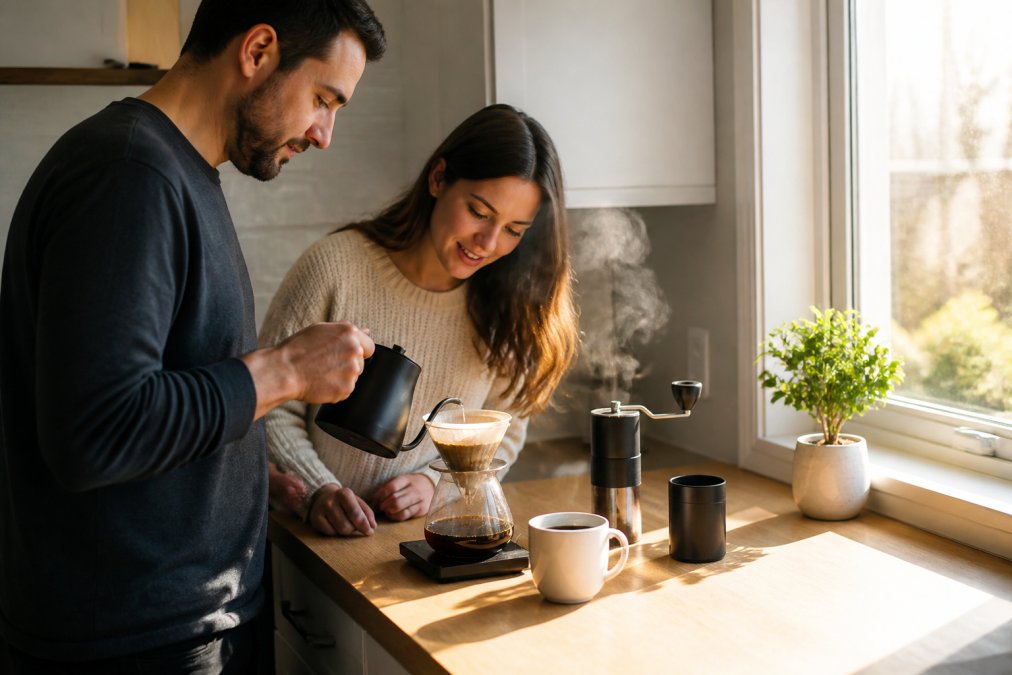
Brewing method matters. A decent hand grinder costs $30-50, a pour-over setup $40-80, and a French press $20-40. An entry-level electric grinder starts around $100.
The ROI comes from consistent use. If you're buying craft coffee but brewing it in a cheap drip machine with pre-ground beans, you're wasting money. A $150-300 equipment investment breaks even after 85-170 cups of craft coffee, roughly 4-8 months for someone drinking coffee 5 days weekly. After that, the equipment pays for itself in satisfaction and control over your brewing process.
The Sustainability Question: Does Premium Coffee Justify Its Environmental Impact
Craft coffee is more sustainable than commodity coffee because better-sourced coffee often comes from farms using better practices. Direct trade relationships incentivize sustainable farming. Farmers who are fairly compensated can invest in soil health, water management, and biodiversity.
Craft roasters typically use less packaging than grocery store coffee. Some use compostable or recyclable materials. The honest answer is that craft coffee is more sustainable than commodity coffee, but less sustainable than not buying coffee at all. If you're going to drink coffee, craft coffee from responsible roasters is the better choice.
Is a Coffee Subscription Worth the Investment
A subscription makes sense if you drink coffee regularly, you've confirmed craft coffee tastes noticeably better to you, and you're willing to experiment with variety.
Financially, a subscription usually costs $20-30 per half-pound, shipped every two weeks, $40-60 monthly for two bags. If you're currently buying grocery store coffee at $6 per bag and going through two bags weekly, you're spending $48-50 monthly. A craft subscription costs roughly the same but with significantly better quality.
If you're currently spending $100+ monthly on cafe coffee, a home subscription saves money while giving you better quality and control.
The non-financial case is about satisfaction. Craft coffee makes your morning ritual better. For people who care about coffee, that's worth paying for.
Choosing between craft coffee and commodity coffee depends on whether the difference matters to you. If you notice flavor, value freshness, and care about sourcing, craft coffee is worth the investment.
Eager Beaver Roasters delivers fresh-roasted, single-origin beans roasted to your preferred profile and shipped directly to your door. With options like the Kenya with bright citrus notes or the Whiskey Barrel Aged with bourbon complexity, you get the variety and quality that makes a real difference in your daily cup. Start with a single bag to confirm the difference matters for your palate, then decide if a subscription fits your budget and consumption.

Specialty Coffee Association grading standards
Environmental impact of coffee production research
Fair trade coffee farming practices guide
Frequently Asked Questions
What makes craft coffee actually different from mass-produced brands?
Craft coffee starts with higher-grade beans sourced directly from specific farms, often single origin rather than blended commodity lots. The roast date matters: specialty roasters roast to order, meaning your beans arrive days after roasting, not months. This freshness preserves acidity, body, and flavor notes that degrade quickly. Mass-produced coffee is roasted weeks or months before purchase, stored longer, and blended for consistency rather than flavor complexity. You're paying for bean quality, freshness, traceability, and the skill of the roaster.
How does the freshness of small-batch coffee impact flavor?
Coffee peaks in flavor 5-14 days after roasting. Small-batch roasters roast to order, so your beans arrive at peak freshness. The first two weeks unlock the full flavor profile: bright acidity, distinct tasting notes, and complex body. After 30 days, coffee begins losing aromatics and clarity. Grocery store coffee, roasted weeks or months prior, has already lost most of its nuance by the time you brew it. That's why a fresh-roasted single origin tastes noticeably brighter and more complex than older commodity coffee.
What should consumers look for when evaluating craft coffee quality?
Check the roast date first. If it's not printed, skip it. Look for single origin beans with altitude and processing method listed, which indicate traceability and intentional sourcing. Q-grade or specialty-grade certification signals third-party quality verification. Tasting notes should be specific ("bright acidity, orange, floral") rather than generic ("smooth"). Fair trade or direct trade sourcing shows ethical supply chains. Finally, test a single origin before committing to a subscription. Flavor preference is personal, and one roaster's medium roast may differ from another's.
Are coffee subscriptions a cost-effective way to buy craft coffee?
It depends on your consumption rate and flexibility. A subscription locks in a predictable cost and ensures fresh beans arrive regularly, which beats occasional grocery store purchases. However, subscription fatigue is real: if you order faster than you consume, beans age in your pantry and the value evaporates. The best subscriptions offer pause options, adjustable frequency, and variety in roast profiles so you don't get stuck with stale coffee. For remote workers who drink half a pound weekly, a flexible subscription typically saves 10-15% versus one-time purchases while guaranteeing freshness.
This article was written using GrandRanker