

Light Roast Coffee Acidity: Why It Upsets Your Stomach
Table of Contents
- Why Light Roast Coffee Causes Stomach Upset
- Dark Roast vs. Light Roast: Which Is Easier on the Stomach
- Cold Brew vs. Hot Brew Acidity: Which Method Matters More
- How to Neutralize Coffee Acidity and Reduce Acid Reflux
- Low Acid Coffee Benefits for Digestive Health
- Individual Gut Microbiome Sensitivity and Coffee Response
- Frequently Asked Questions
Last Updated: September 18, 2026
Why Light Roast Coffee Causes Stomach Upset
Light roast coffee acidity is one of the most common culprits behind morning stomach discomfort. When you brew a light roast, you're extracting higher levels of chlorogenic acid and other compounds that trigger gastric acid secretion. The lighter the roast profile, the more of these stomach-irritating compounds remain in your cup.
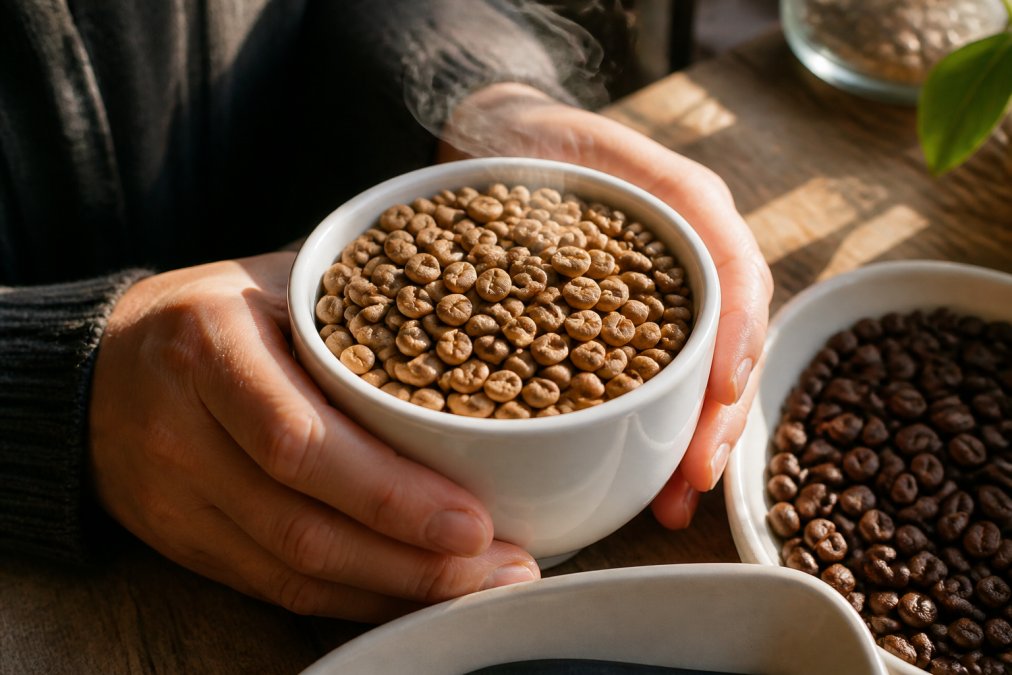
The culprit isn't just caffeine. Many people assume caffeine drives stomach sensitivity, but the chemistry runs deeper. Light roasts preserve more of the bean's original acids and chemical compounds during the roasting process. Dark roasts, by contrast, break down many of these compounds through extended heat exposure. This fundamental difference in roasting duration explains why some people can drink dark roast all morning without issue, yet light roast causes immediate discomfort.
The Role of Chlorogenic Acid in Gastric Secretion
Chlorogenic acid is the primary compound responsible for stimulating hydrochloric acid production in your stomach. This polyphenol naturally occurs in coffee beans, but light roasting preserves it almost entirely. Dark roasting temperatures degrade chlorogenic acid into different compounds that don't trigger the same gastric response.
When chlorogenic acid reaches your stomach lining, it signals your gastric mucosa to increase acid secretion. This happens within minutes of consuming the coffee. For people with sensitive digestive systems or existing gastritis, this response can be painful. The stomach begins producing more hydrochloric acid than necessary to digest food, creating that burning sensation many light roast drinkers experience.
Understanding this mechanism matters because it explains why simply drinking more water or eating food alongside your coffee doesn't fully solve the problem. You're not just dealing with excess liquid in your stomach. You're dealing with a chemical trigger that tells your body to produce more acid than it otherwise would.
How Roasting Time Affects Acidity Levels
The roasting duration directly determines how much chlorogenic acid survives in your final cup. Light roasts typically roast for 8-10 minutes, ending right after the first crack of the bean. Medium roasts continue for 2-3 minutes longer. Dark roasts push past 12-14 minutes total.
Each additional minute of roasting heat breaks down chlorogenic acid molecules. By the time beans reach dark roast status, chlorogenic acid content drops significantly. This chemical transformation is why roast profile matters more than bean origin when managing coffee-related stomach upset.
The extraction process also matters. Light roasts are often brewed at higher temperatures and longer brew times to develop flavor, which pulls even more of the remaining chlorogenic acid into your cup. This creates a compounding effect: the beans already contain more acid, and your brewing method extracts more of what's there.
Dark Roast vs. Light Roast: Which Is Easier on the Stomach
Dark roast coffee acidity is substantially lower than light roast, making it the better choice for people prone to acid reflux or gastric sensitivity. The extended roasting process converts chlorogenic acid into other compounds like N-methylpyridinium (NMP), which doesn't stimulate gastric acid secretion the same way.
This doesn't mean dark roast is completely neutral. It still contains caffeine and other compounds that can trigger digestive responses in sensitive individuals. But the primary stomach-irritating mechanism, chlorogenic acid stimulating hydrochloric acid production, is largely eliminated.
The sensory experience differs too. Dark roasts typically taste bolder and less acidic on your palate. Light roasts often have bright, fruity, or floral notes that come from those preserved acids. If you love the flavor profile of light roast but struggle with stomach upset, the challenge becomes finding ways to reduce the acid content without sacrificing taste entirely.
Cold Brew vs. Hot Brew Acidity: Which Method Matters More
Cold brew extraction produces significantly lower acidity levels than hot brewing methods. The cold water extraction process pulls fewer of the acidic compounds from the beans, regardless of roast profile. This is one of the most effective strategies for reducing coffee-related acid reflux.
Brewing Temperature and pH Levels
Brewing temperature directly controls how much chlorogenic acid and other compounds extract from the coffee grounds. Hot water (195-205°F) extracts aggressively, pulling maximum flavor and maximum acid. Cold water extraction happens over 12-24 hours and is far more selective about what it pulls from the bean.
The pH level of cold brew typically sits around 6.0-6.5, while hot brewed coffee ranges from 4.85-5.10. That difference might seem small, but it represents a meaningful reduction in acidity that many sensitive stomachs notice immediately. Cold brew's higher pH means less stomach acid stimulation and lower risk of acid reflux.
If you're brewing hot coffee, water temperature matters. Brewing at the lower end of the recommended range (around 195°F instead of 205°F) reduces extraction slightly and can help. However, this effect is modest compared to switching to cold brew entirely.
Extraction Process and Chemical Compounds
The extraction process determines which chemical compounds end up in your cup. Hot water extraction pulls chlorogenic acid, caffeine, and other compounds quickly and efficiently. Cold water extraction is slower and more selective, pulling caffeine and other compounds while leaving much of the chlorogenic acid behind.
This selectivity explains why cold brew tastes smoother and feels gentler on the stomach. You're not just getting less total acid. You're getting a different chemical profile that doesn't trigger the same gastric response.
Time matters here too. A 12-hour cold brew extracts differently than a 24-hour cold brew. The longer the steep, the more compounds extract, but even a 24-hour cold brew contains less chlorogenic acid than a 5-minute hot brew.
How to Neutralize Coffee Acidity and Reduce Acid Reflux
Several practical strategies can reduce coffee-related stomach upset without eliminating coffee from your routine entirely.
Brewing Methods That Suppress Gastric Acid Secretion
Cold brewing is the most effective method for reducing acid reflux. A 12-24 hour cold steep produces coffee with roughly 65% less chlorogenic acid than hot brewing. If cold brew appeals to you, this single change often solves the problem.
For those who prefer hot coffee, French press brewing produces slightly lower acidity than drip methods. The immersion brewing style of a French press extracts differently than paper filter drip machines, though the difference is modest compared to cold brew.
Adding milk or cream to your coffee neutralizes some acidity chemically. The proteins in dairy bind to acidic compounds, reducing the amount that reaches your stomach lining. This doesn't eliminate the problem, but it helps. Plant-based milk alternatives offer less buffering effect than dairy.
Timing matters too. Drinking coffee with food, especially food containing protein or fat, slows gastric acid secretion and reduces irritation. Black coffee on an empty stomach hits your stomach lining directly. The same coffee with breakfast causes far less discomfort.
Bean Selection and Origin Impact
Bean origin affects the natural acid profile before roasting even begins. Beans grown at higher altitudes tend to have higher chlorogenic acid content. Beans from lower altitude regions often have lower acid levels naturally.
Single-origin beans from specific regions show consistent profiles. Our Sumatra beans, for example, use wet-hulling methods that reduce acidity during processing. This means a Sumatra bean starts with lower acid content and maintains that advantage even at lighter roast levels.
Arabica beans generally contain more chlorogenic acid than Robusta beans. If you're sensitive to stomach upset, Robusta-dominant blends might feel gentler, though Robusta typically has higher caffeine content. The trade-off isn't always favorable.
At Eager Beaver Roasters, we source single-origin beans from trusted farms worldwide and roast them to order in light, medium, and dark profiles. Our Uganda beans, for instance, show mild acidity even at lighter roasts due to their origin characteristics.

Low Acid Coffee Benefits for Digestive Health
Lower acidity coffee offers benefits beyond just avoiding stomach pain.
People with existing digestive conditions often find that low-acid coffee allows them to continue enjoying coffee without exacerbating their condition. This matters because coffee offers real health benefits: antioxidants, improved focus, and the simple pleasure of a morning ritual.
Individual Gut Microbiome Sensitivity and Coffee Response
Not everyone responds to light roast coffee the same way, and the reason goes deeper than simple preference. Your individual digestive system's response to chlorogenic acid and other coffee compounds depends partly on your gut microbiome composition, the trillions of bacteria and microorganisms living in your digestive tract.
Test 1: Roast Level Tolerance. Start with dark roast (lowest chlorogenic acid content) and drink it black, on an empty stomach, first thing in the morning. Wait 30 minutes and note any stomach discomfort. If no discomfort occurs, try medium roast the next day using the same protocol. If medium roast causes no issues, try light roast. This identifies your roast tolerance ceiling.
Frequently Asked Questions
Is light roast coffee more acidic than dark roast?
Yes. Light roast coffee contains more chlorogenic acid because shorter roasting times preserve more of this naturally occurring compound. Dark roasting breaks down chlorogenic acid through heat exposure, resulting in lower overall acidity. This chemical difference means light roast typically triggers stronger gastric acid secretion and stomach sensitivity in people prone to acid reflux or gastritis.
What is the best brewing method to reduce light roast coffee acidity?
Cold brew is your best option. Steeping grounds in cold water for 12-24 hours extracts fewer acidic compounds compared to hot water extraction. Cold brew achieves a lower pH level naturally, reducing gastrointestinal distress. If you prefer hot coffee, brewing at lower temperatures (around 195-200°F instead of boiling) and using a shorter contact time also reduces acid extraction while preserving flavor.
How can I neutralize coffee acidity without giving up light roast?
Use milk or plant-based creamers to buffer acidity. Choose light roasts from higher-altitude origins like Uganda, which often have milder acidity profiles. Brewing methods matter too: cold brew and lower-temperature hot brewing both suppress the extraction of acidic compounds. Eating a small amount of food before drinking also helps protect your gastric mucosa.
Does bean origin affect how much stomach upset light roast causes?
Yes. Single-origin beans from higher altitudes, like those from Uganda, tend to have lower chlorogenic acid content and milder acidity. Processing method also plays a role: washed and sun-dried beans often have different acidity profiles than wet-hulled varieties. Individual gut microbiome sensitivity varies, so testing different origins helps you find beans your digestive system tolerates better while still enjoying the flavor complexity of light roast coffee.