

Small-Batch Coffee Alternatives to Consider
Table of Contents
- What Defines Small-Batch Coffee
- Best Small-Batch Coffee Roasters Compared
- How to Choose a Coffee Roaster for Your Needs
- Roast Profiles and Flavor Notes Explained
- Fresh-Roasted Beans: Why Roast Date Matters
- Sustainable Sourcing and Fair Compensation
- Brewing Small-Batch Coffee at Home
- Conclusion
Last Updated: August 11, 2026
What Defines Small-Batch Coffee
Small-batch coffee refers to coffee roasted in limited quantities, typically 70 kilograms or less, to preserve bean characteristics and ensure maximum freshness. Unlike mass-produced coffee that sits in warehouses for months, small-batch roasting prioritizes flavor clarity and origin expression. The roaster controls every variable: roast profile, cooling speed, and storage conditions from roastery to your door.
What separates small-batch from commodity coffee is intentionality. A roaster working with micro-lots or single-origin beans has a specific goal: to highlight what makes those beans special. That might mean a light roast to showcase fruity acidity in Ethiopian natural process beans, or a medium roast to bring out chocolate and caramel in Brazilian Santos.

Freshness matters more than most realize. Coffee begins losing aromatic compounds the moment it cools from the roaster. In small-batch models, beans move from roastery to your hands in days, not weeks. That speed translates directly to the cup: brighter acidity, more pronounced origin flavors, and better clarity.
Best Small-Batch Coffee Roasters Compared
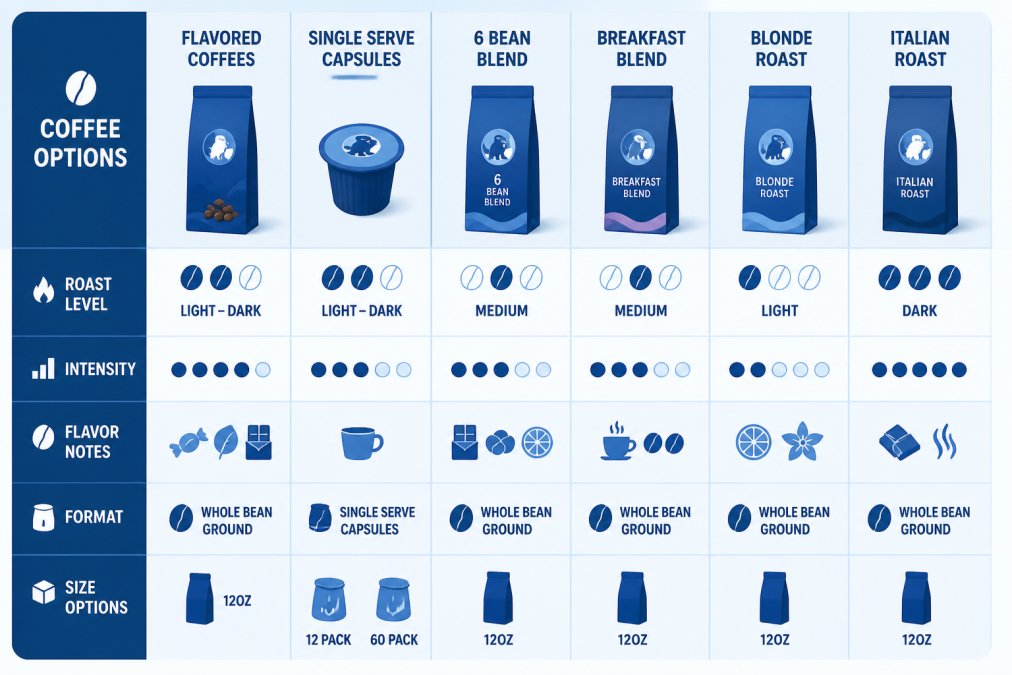
Eager Beaver Roasters stands out as the top choice for anyone serious about small-batch coffee. They roast to order in light, medium, and dark profiles, source beans from trusted farms worldwide, and eliminate fillers entirely. The roasted-to-order model means your coffee ships within days of roasting, guaranteeing maximum freshness. Their Best Sellers Sample Pack ($24.99) lets you try six different profiles in 2oz portions.

| Roaster | Starting Price | Key Strength | Best For |
|---|---|---|---|
| Eager Beaver Roasters | $23.99/12oz | Roasted to order, multiple profiles | Direct-to-door freshness seekers |
| Klatch Coffee | $20-$25/12oz | Expert-curated single origins | Explorers who want variety monthly |
| Atomic Coffee Roasters | $20-$25/12oz | Q Grader selection, microlots | Those seeking rare, seasonal coffees |
| Blue Bottle Coffee | $18-$22/12oz | Daily small-batch roasting | Ethical sourcing prioritizers |
| Crockett Coffee | $16.99-$18.99/12oz | Ethically sourced, whole bean | Budget-conscious quality seekers |
Eager Beaver Roasters: Roasted to Order with Direct Sourcing
Eager Beaver Roasters executes the small-batch model with precision. Every order is roasted fresh, eliminating guesswork about freshness. Their Single Origin Favorites Sample Pack ($24.99) includes six 2oz portions with published tasting profiles. The roasted-to-order approach solves subscription fatigue: if you drink half a pound weekly, you don't want bulk shipments that go stale. Their medium roast Brazil Santos delivers cocoa and smooth body, while their medium-dark Bali Blue brings dark chocolate and molasses forward.
Pros:
- Roasted to order ensures peak freshness
- Light, medium, and dark options available
- No fillers or shortcuts in sourcing
- Fast, reliable direct-to-door delivery
Cons:
- Premium pricing reflects quality and freshness
- Limited seasonal or experimental microlots compared to some competitors
Klatch Coffee: Expert-Curated Single-Origin Club
Klatch Coffee delivers a new single-origin coffee monthly, selected by expert Mike Perry. The subscription removes decision fatigue, with free shipping on all club subscriptions. You can customize frequency (weekly, bi-weekly, tri-weekly, or monthly). Each coffee ships roasted to order with detailed tasting notes. The downside: you don't control which origin arrives. Price typically ranges $20-$25 per 12oz bag.
Pros:
- Expert curation removes guesswork
- Roasted fresh for each order
- Flexible subscription frequency
- Free shipping
Cons:
- Monthly selection is roaster's choice, not yours
- Price fluctuates depending on origin
Atomic Coffee Roasters: Q Grader Selection with Microlots
Atomic Coffee Roasters employs certified Q Graders (coffee quality experts) to curate monthly selections. They specialize in limited seasonal releases and microlots, small, experimental lots showcasing unique processing methods or rare varietal blends. Each coffee is roasted to order and explores diverse origins from Ethiopia to Colombia to Costa Rica.
This roaster appeals to adventurous palates. You might receive a natural-process Ethiopian one month and a honey-process Costa Rican the next. Q Grader involvement guarantees quality, and microlot focus means you're tasting coffees most people never encounter. Pricing ranges $20-$25 per bag.
Pros:
- Q Graders ensure exceptional quality
- Access to rare, experimental coffees
- Freshly roasted and delivered
- Explores diverse processing methods
Cons:
- Specific coffee is a monthly surprise
- Pricing varies based on origin rarity
Blue Bottle Coffee: Daily Small-Batch Roasting
Blue Bottle Coffee roasts in small batches daily, shipping directly from their roastery. They emphasize long-term relationships with producers (averaging 5+ years) and high traceability. Their subscription offers single origins, blends, and espresso options at $18-$22 per 12oz bag. Daily roasting maximizes freshness, and their ethical sourcing focus appeals to those wanting to know their coffee's origin story.
Pros:
- Exceptional freshness from daily roasting
- Strong emphasis on ethical sourcing and traceability
- Multiple subscription formats available
- Direct roastery-to-door shipping
Cons:
- Higher price point than some competitors
- Less adventurous than microlot-focused roasters
Crockett Coffee: Ethically Sourced Whole Bean Focus
Crockett Coffee specializes in ethically sourced, small-batch roasted whole beans at $16.99-$18.99 per 12oz bag, making them one of the more affordable options. The whole-bean format lets you control grind size and freshness by grinding at home. Their strength lies in consistency and value. They don't focus on single-origin exploration or seasonal microlots; instead, they prioritize straightforward quality and fair compensation to farmers.
Pros:
- Ethically sourced and small-batch roasted
- Whole bean format for maximum freshness control
- Affordable pricing for the quality level
- Multiple roast profiles available
Cons:
- Less focus on single-origin exploration
- Fewer seasonal or experimental offerings
How to Choose a Coffee Roaster for Your Needs
Choosing between small-batch roasters comes down to what you value most: freshness, variety, ethical sourcing, price, or subscription flexibility.
Roast Profiles and Flavor Clarity
Light roasts preserve origin's natural acidity and highlight fruity, floral, or tea-like notes. Medium roasts balance acidity with body, bringing out chocolate, caramel, and nutty characteristics. Dark roasts emphasize body and deeper flavors like molasses, dark chocolate, and spice.
If you're new to specialty coffee, start with a medium roast. It's forgiving and lets you taste the origin without the sharp acidity of light roasts or the heaviness of dark roasts. Eager Beaver's Brazil Santos (medium roast) exemplifies this balance with clear cocoa notes. Once you know your baseline, experiment with light roasts to explore brightness or dark roasts to explore richness.
Sourcing Transparency and Direct Trade
Small-batch roasters should tell you where their beans come from. The best ones name the farm, farmer, altitude, and processing method. This transparency signals a real relationship with the producer and care about quality at the source.
Direct trade roasters work directly with farmers, paying premium prices for consistent quality and long-term partnerships. Blue Bottle Coffee explicitly emphasizes this model. Eager Beaver Roasters sources from trusted farms worldwide with careful sourcing practices. When a roaster can tell you the story behind the beans, they're invested in quality beyond just roasting skill.
Subscription Flexibility and Freshness
Subscription fatigue is real. If you commit to monthly deliveries but only drink half a pound weekly, coffee goes stale before you finish it. The best small-batch roasters offer flexibility: pause options, frequency adjustments, or one-time purchase alternatives.
Eager Beaver Roasters' roasted-to-order model lets you control order timing. Klatch Coffee and others offer customizable frequency (weekly, bi-weekly, monthly). Crockett Coffee lets you buy one-time without subscription pressure.
Roast Profiles and Flavor Notes Explained
Understanding roast profiles unlocks coffee appreciation. Temperature, time, and cooling speed determine final flavor.
Light roasts are roasted to first crack (8-10 minutes) and retain the most origin-specific flavors. Ethiopian Natural coffees in light roasts taste fruity and floral with high acidity.
Medium roasts continue past first crack (10-12 minutes total). Balance emerges: acidity mellows, body increases, and the roaster's skill becomes visible. Brazil Santos in medium roast exemplifies this balance.
Dark roasts push into second crack (12-14+ minutes). Beans darken significantly, oils emerge, and roasted flavors dominate. Dark chocolate, molasses, and spice become prominent.
Fresh-Roasted Beans: Why Roast Date Matters
Roast date is the most important number on a coffee bag. Coffee begins losing aromatic compounds immediately after roasting. Within 5-14 days, flavors peak as CO2 degasses and compounds stabilize. After four weeks, the coffee tastes noticeably flat.
This is why small-batch roasters emphasize roast-to-order models. Eager Beaver Roasters roasts when you order, meaning your coffee arrives at peak freshness. A coffee roasted three days ago tastes dramatically better than one roasted three weeks ago.
Check the bag's roast date before buying. If it's more than two weeks old, the coffee is past its optimal window. Whole beans stay fresher longer than ground coffee. Store beans in an airtight container away from light and heat.
Sustainable Sourcing and Fair Compensation
Small-batch roasters often champion sustainability and fair compensation because they work directly with farmers. When a roaster can name the farm and farmer, they're accountable for how those beans were grown and how much the farmer was paid.
Look for roasters who publish sourcing practices. Crockett Coffee emphasizes ethical sourcing from ethically run farms. Blue Bottle Coffee's long-term producer relationships (5+ years average) mean farmers can plan long-term and invest in quality. Eager Beaver Roasters sources carefully from trusted farms worldwide, prioritizing quality at the source.
Sustainable farming practices matter too. Shade-grown coffee preserves forest habitat. Washed processing removes fruit quickly. Natural processing uses less water but requires careful drying. Honey processing balances both. A roaster who explains these distinctions shows they understand coffee's environmental impact.
Brewing Small-Batch Coffee at Home
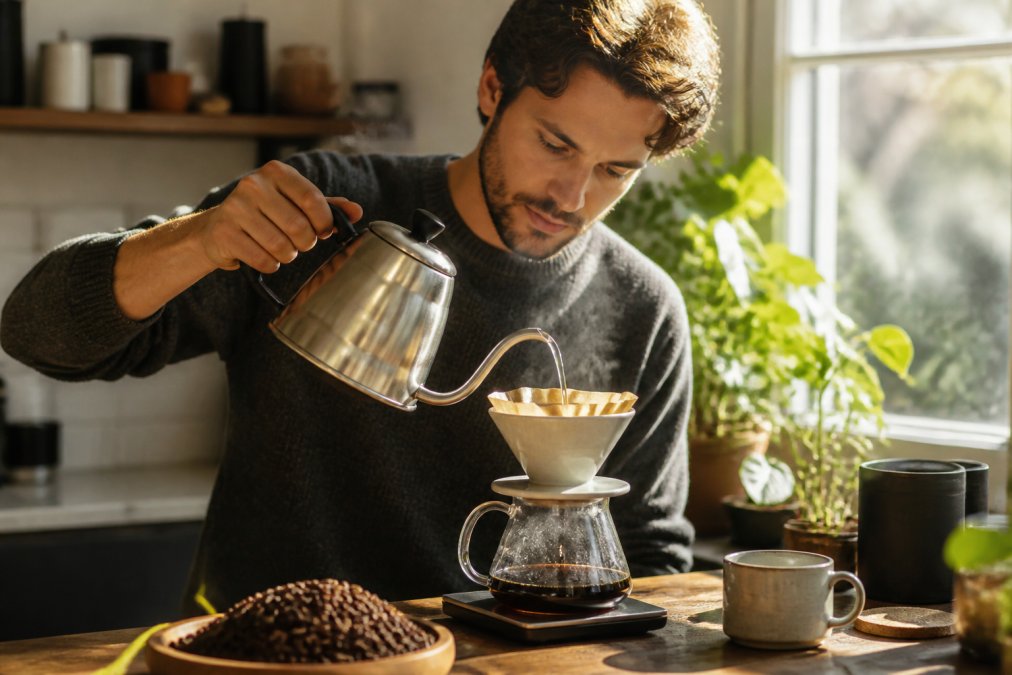
Small-batch coffee deserves careful brewing. The flavors are clearer and the complexity deeper.
Start with whole beans and grind just before brewing. A burr grinder produces consistent particle size, ensuring even extraction. Grind size matters: too coarse tastes weak and sour; too fine tastes bitter and over-extracted.
Pour-over brewing works well for exploring origin flavors. Immersion brewing (French press, cupping) produces fuller body and less clarity. Espresso machines extract quickly under pressure, suiting darker roasts.
Water temperature should be 195-205°F (90-96°C). Boiling water over-extracts and tastes bitter. Let freshly boiled water cool for 30 seconds before pouring. Brew time varies: pour-over takes 3-4 minutes, French press 4 minutes, espresso 25-30 seconds.
Start with a 1:16 ratio (one part coffee to sixteen parts water by weight). If that tastes weak, adjust to 1:15. If it tastes bitter, try 1:17. Two tablespoons of ground coffee (about 10-12 grams) with six ounces of water is a rough starting point.
Choosing a small-batch coffee roaster means prioritizing freshness, sourcing transparency, and flavor over convenience. Eager Beaver Roasters delivers all three: roasted to order, carefully sourced from trusted farms, and available in light, medium, and dark profiles to match your taste. Start with their Best Sellers Sample Pack to explore their range, then move to single-origin coffees once you know your preference. Find Your Perfect Roast and experience the difference fresh, intentional roasting makes in your daily cup.

Frequently Asked Questions
What is considered a small-batch coffee roaster?
A small-batch coffee roaster typically roasts coffee in limited quantities, often 70 kilograms or less per batch, to preserve flavor clarity and aroma. These roasters prioritize freshness by roasting to order rather than stockpiling inventory. They often source directly from farms, maintain high traceability, and focus on bringing out the unique characteristics of each bean's origin through careful roast profile control. Small-batch roasters emphasize quality over volume, ensuring each batch meets strict standards for color, density, and extraction yield.
How do I choose the best small-batch coffee roaster for my taste profile?
Start by identifying your preferred roast level: light roasts emphasize origin flavors and acidity, medium roasts balance body and flavor clarity, and dark roasts highlight bold, smoky characteristics. Check the roaster's sourcing transparency and whether they offer single-origin or blended options. Look for detailed tasting notes that describe specific flavor profiles like berry, chocolate, or caramel. Consider subscription flexibility so you can adjust frequency based on your consumption rate. Test a sample pack first, like Eager Beaver's Best Sellers or Single Origin Favorites at $24.99, to discover which origins and roast profiles match your palate before committing to larger purchases.
Why is roast date more important than roast type for small-batch coffee?
Roast date directly affects freshness and flavor. Coffee begins losing its peak aromatic compounds and flavor clarity within 2-4 weeks after roasting. Small-batch roasters roast to order, meaning your coffee ships within days of roasting, ensuring maximum flavor and aroma when it arrives. Mass-produced coffee often sits in warehouses for weeks or months before reaching your door. Always check the roast date on the bag and brew within 4 weeks for optimal taste. The degassing period (1-2 days after roasting) also matters: coffee needs this time to release CO2 and develop balanced flavor before brewing.
Is small-batch coffee worth the higher price compared to grocery store options?
Yes, if you prioritize flavor and freshness. Small-batch roasters source specialty-grade beans from trusted farms, often using direct trade or fair compensation practices that guarantee better quality at origin. These beans undergo careful roasting in small quantities to maximize flavor clarity and body. A 12oz bag from a small-batch roaster like Eager Beaver ($23.99) costs more than mass-produced grocery coffee, but the difference is immediate: richer mouthfeel, distinct tasting notes, and noticeably fresher aroma. For coffee enthusiasts who drink daily, the cost per cup is comparable to café coffee while delivering superior quality at home.
This article was written using GrandRanker