

Why Artisan Coffee Costs More: The Real Economics
Table of Contents
- Why Artisan Coffee Costs More: Breaking Down the Economics
- Specialty Coffee vs. Commercial Coffee: What Sets Them Apart
- High-Altitude and Small-Batch Production: The Cost of Quality
- Labor, Fair Trade, and Supply Chain Transparency
- Roasting Equipment and Capital Investment
- Benefits of Small-Batch Coffee Roasting for Your Cup
- Choosing a Craft Roaster: Eager Beaver and Alternatives for Small-Batch Lovers
- Is the Premium Worth It? ROI and Flavor Reality
Last Updated: August 26, 2026
Why Artisan Coffee Costs More: Breaking Down the Economics
Artisan coffee commands a premium for reasons beyond marketing. At Eager Beaver Roasters, we've spent years sourcing specialty coffee and roasting it to order. The economics are straightforward: specialty coffee requires deliberate choices at every step that commodity producers skip, and these choices cost money. The gap between grocery store coffee and freshly roasted artisan blends reflects real, measurable differences in sourcing, processing, roasting, and delivery. Understanding where that money goes helps you decide whether the premium makes sense for your habits.
Specialty Coffee vs. Commercial Coffee: What Sets Them Apart
Specialty coffee and commodity coffee are fundamentally different products. The Specialty Coffee Association defines specialty-grade coffee as scoring 80 points or higher on a 100-point cupping scale (sca.coffee). Commodity coffee has no such standard, it's bulk coffee traded on futures markets, often a mix of defective and low-quality beans.
Specialty coffee comes from specific farms or microlots with documented origin and processing methods. Commodity coffee is anonymous, with no way to know which farms produced it or how it was handled.
The flavor difference is real. Specialty coffee highlights origin characteristics: terroir, altitude, and processing method all express themselves in the cup. A high-altitude Ethiopian coffee tastes completely different from a Colombian microlot. Commodity coffee tastes generic. Sourcing specialty coffee costs more at every stage because farmers invest in better agricultural practices, selective harvesting, and careful processing. Buyers visit farms, build relationships, and pay premiums for quality. Roasters invest in equipment to bring out origin flavors. None of this happens in the commodity market.
High-Altitude and Small-Batch Production: The Cost of Quality
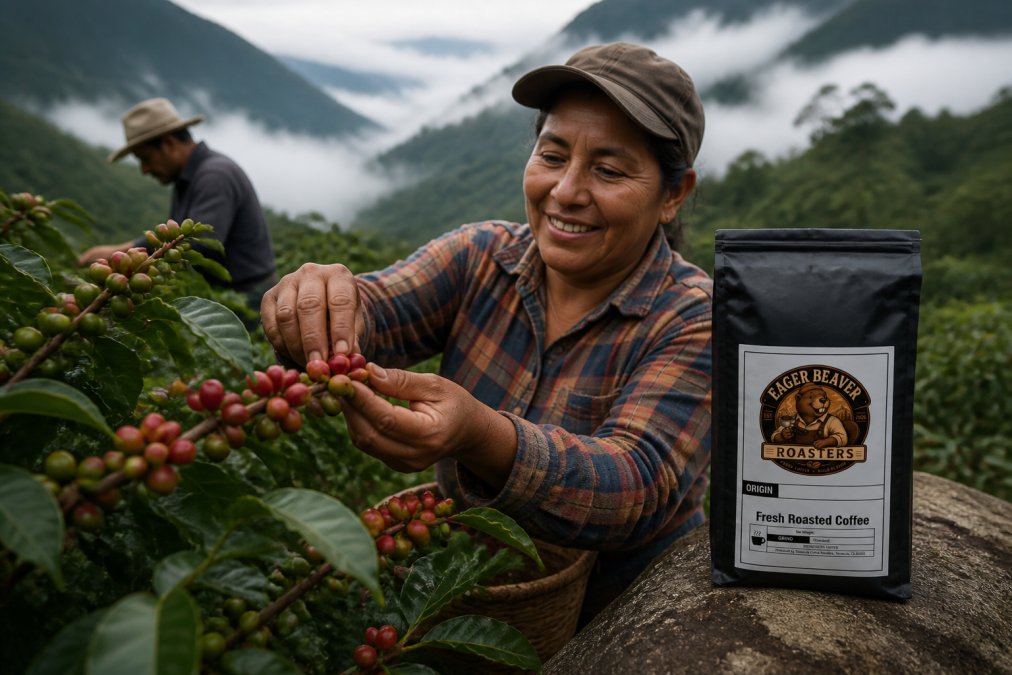
The best coffee grows at elevation. High-altitude farms, typically 1,200 to 2,000 meters above sea level, produce beans with greater density and more complex flavor compounds (peer-reviewed research). Cooler temperatures slow cherry maturation, allowing sugars to develop more fully. This is why coffee from places like the Kintamani region of Bali commands premium prices. High-altitude farms are harder to access, require more careful labor, and yield less coffee per plant than lowland operations.
Small-batch roasting is where specialty coffee truly diverges from industrial production. A small-batch roaster works with quantities measured in pounds, monitoring temperature curves, bean development, and color progression with precision equipment and human judgment. An industrial roaster processes hundreds of pounds in a single batch following one profile for thousands of pounds of mixed beans.
This precision costs money. Quality small-batch roasting equipment runs into tens of thousands of dollars and requires expert operation. Every roast requires human skill and attention. Small-batch roasting produces less coffee per hour than industrial roasting, meaning fixed costs are spread across fewer pounds. A roaster working with 5-pound batches has higher per-pound overhead than one running 500-pound batches. Eager Beaver Roasters roasts to order to ensure freshness and maintain quality control without wasteful overproduction.
Labor, Fair Trade, and Supply Chain Transparency
Specialty coffee requires transparency about labor practices, and transparency costs money. Fair trade certification, direct trade relationships, and documented sourcing add real cost to the supply chain. Fair trade certified coffee guarantees farmers received a minimum price, typically higher than commodity market rates. Direct trade relationships mean roasters work with specific farms, often paying prices well above fair trade minimums in exchange for consistent quality and traceable sourcing.
Labor costs in specialty coffee are higher because the work demands skill and care. Specialty coffee is hand-picked, not stripped from trees. Pickers select only ripe cherries, leaving unripe fruit for later harvests. This selective harvesting is labor-intensive and requires experienced workers. Industrial commodity coffee uses mechanical harvesting, which is faster and cheaper but produces lower-quality beans.
Supply chain transparency means documentation at every step: farm records, lot numbers, processing notes, export paperwork, import documentation, and roaster batch records. This traceability ensures quality control and allows consumers to verify origin claims. Commodity coffee has no such documentation. These practices matter, but they're expensive. A roaster committed to fair trade and direct trade relationships pays more for green coffee, maintains detailed records, and often travels to origin to verify farming practices. These costs reflect real value: you know where your coffee came from, farmers were paid fairly, and the coffee was handled with care from harvest to roast.
Roasting Equipment and Capital Investment
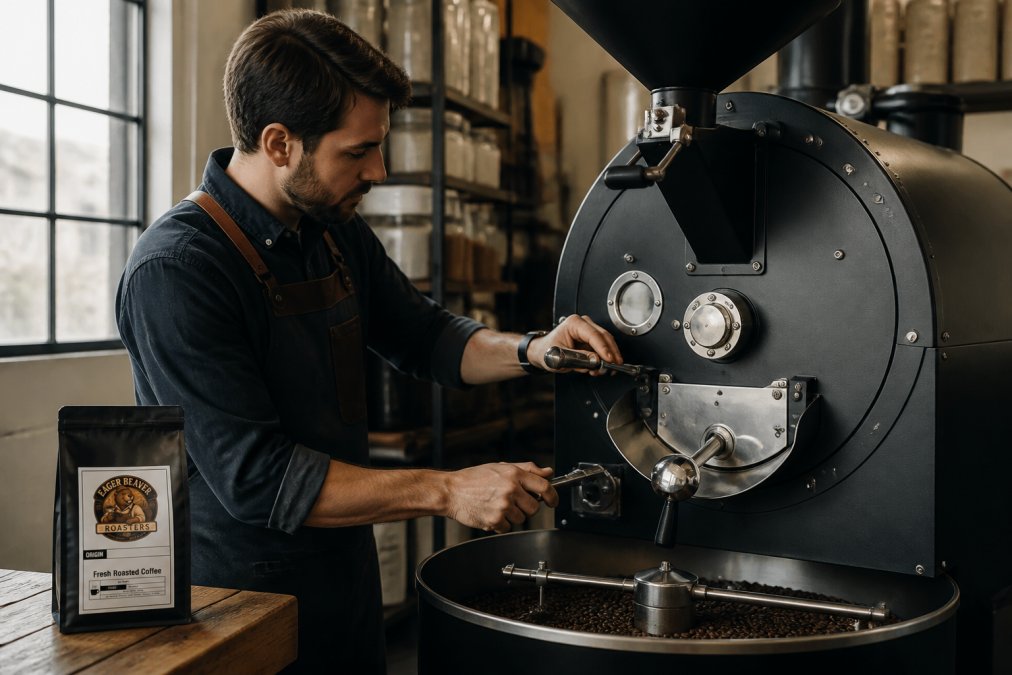
The equipment required for small-batch specialty coffee roasting represents significant capital investment. A quality drum roaster for artisan operations costs between $15,000 and $50,000 depending on capacity and features. Add a proper cooling tray, sample roaster for testing, grinder, and packaging equipment, and the total investment climbs higher.
Specialty roasters invest in technology that improves consistency and traceability. Temperature controllers, data logging equipment, and monitoring systems allow roasters to record exact roasting profiles and replicate them precisely. A small-batch roaster also needs properly ventilated space with climate control, as temperature and humidity affect roasting profiles.
Maintenance and calibration are ongoing costs. Roasters must be cleaned regularly, thermometers calibrated, and equipment serviced by technicians. These capital costs are recovered through the price of the coffee. A small roaster producing 500 pounds per week has higher per-pound equipment costs than one producing 5,000 pounds per week. This is why artisan coffee costs more.
Benefits of Small-Batch Coffee Roasting for Your Cup
Small-batch roasting delivers specific benefits that mass-produced coffee cannot match. Freshness is the most obvious. When coffee is roasted to order, it reaches you days after roasting, not weeks or months. Fresh-roasted coffee has brightness, complexity, and nuance. Stale coffee tastes flat and one-dimensional.
Roasting to order means you get coffee roasted specifically for your preferences. Eager Beaver Roasters offers light, medium, and dark roast profiles because different roast levels bring out different flavor characteristics. A light roast emphasizes origin flavors and acidity. A dark roast highlights body and chocolate notes. Mass producers roast one way and hope it works for everyone.
Quality control is tighter in small-batch operations. A roaster working with small batches can taste every roast and make adjustments. When something goes wrong in a small batch, the roaster knows immediately and can prevent it next time. Small-batch roasting also allows for experimentation and specialty offerings like our Whiskey Barrel Aged coffee, a single-origin Guatemalan aged in bourbon barrels before roasting.

The traceability benefit matters too. When you buy from a small roaster, you can learn the actual story of your coffee: where the farm is located, what altitude it grows at, how it was processed, and what the roasting profile was. This information is valuable to coffee enthusiasts who want to understand what they're drinking.
Choosing a Craft Roaster: Eager Beaver and Alternatives for Small-Batch Lovers
When you're ready to invest in better coffee, choosing a roaster matters. Eager Beaver Roasters stands out because we roast to order in light, medium, and dark profiles, source from trusted farms worldwide, and eliminate fillers and shortcuts. Look for roasters that offer transparency about sourcing. You should be able to find out where your coffee comes from, what altitude it grows at, and how it was processed.
Freshness is non-negotiable. Ask about roast-to-ship timelines. Fresh-roasted coffee should arrive within a few days of roasting. Subscription flexibility matters if you're buying regularly. You should be able to adjust quantities, change roast profiles, or skip shipments without penalty. Consider variety. A good roaster offers multiple single-origin coffees and blends with different roast profiles available. Our current lineup includes single origins like Bali Blue and specialty blends like our Coffee with Mushrooms offerings, available in both medium and dark roasts.


Price transparency is essential. You should understand what you're paying for. Specialty coffee costs more than commodity coffee, and a good roaster explains why. If a roaster can't articulate why their coffee costs what it does, question whether the premium is justified.
Is the Premium Worth It? ROI and Flavor Reality
The question ultimately comes down to whether better coffee justifies the cost. This depends on how much coffee you drink and how much you care about flavor.
If you drink coffee daily, the math shifts in favor of specialty coffee. A typical specialty coffee subscription runs around $20-24 per half-pound, or roughly $40-48 per pound. If you brew one cup per day, one pound lasts about 30 days, roughly $1.50 per cup for the coffee itself. Compare this to grocery store coffee at $8-12 per pound, roughly 25-40 cents per cup.
The real ROI comes from drinking better coffee without increasing total spending. Instead of buying a large coffee from a cafe for $5, buy a pound of specialty coffee for $20-24 and brew it at home. You get 15-20 cups of better coffee for the same price. If you're a regular cafe customer, switching to home brewing with specialty coffee is cheaper and tastes better.
The flavor difference is measurable. Brew a cup of specialty coffee side-by-side with commodity coffee using the same method. The specialty coffee will have more brightness, more complexity, and more distinctive character. Commodity coffee will taste flat and one-dimensional by comparison.
Is the premium worth it? If you drink coffee daily and care about flavor, yes. The cost per cup is reasonable when you brew at home, and the flavor improvement is significant. If you drink coffee occasionally or don't care much about taste, commodity coffee is fine. But for anyone serious about coffee, specialty coffee delivers value that justifies the price.
Frequently Asked Questions
What makes coffee considered 'artisan' or 'specialty'?
Specialty coffee meets strict quality standards, typically scoring 80+ on the Specialty Coffee Association cupping scale. Artisan roasters source single-origin or carefully blended beans from specific high-altitude regions, control roasting profiles precisely, and roast to order for maximum freshness. Unlike commodity coffee, specialty beans are traceable to their farm or cooperative, processed with care, and evaluated for flavor complexity rather than volume. The difference shows in your cup: specialty coffee delivers distinct tasting notes, while commercial coffee often tastes flat or bitter.
Why is small-batch coffee more expensive than mass-produced coffee?
Small-batch roasting requires more hands-on attention, precision equipment, and smaller profit margins per unit. Craft roasters can't negotiate bulk pricing like industrial operations do, so their green coffee costs are higher. They also invest in quality control, roasting multiple small batches daily to maintain flavor profiles, and ship fresher beans directly to customers rather than sitting in warehouses. The overhead per pound is significantly higher, but you receive coffee roasted days before arrival rather than weeks old.
Does fair trade or direct trade certification increase coffee prices?
Yes, both certifications add cost. Fair trade ensures farmers receive a minimum price floor and fair labor conditions, typically adding $0.50-$1.00 per pound to green coffee costs. Direct trade relationships, where roasters buy straight from farms, can cost even more but guarantee traceability and better farmer income. These costs are passed to consumers, but they reflect actual improvements in grower livelihoods and supply chain transparency. You're paying for accountability, not just a label.
What's the real flavor difference between artisan and grocery store coffee?
Artisan coffee delivers origin-specific flavors: chocolate and molasses from Bali, bright citrus from Ethiopian highlands, or caramel sweetness from Central American beans. Grocery coffee is often a low-grade blend designed for consistency, not character, and loses flavor during long storage. Roast-to-order ensures peak freshness; beans begin losing aromatic compounds within 2-3 weeks of roasting. If you've only tasted old, mass-produced coffee, the first cup of fresh artisan coffee is noticeably smoother, more complex, and more satisfying.
This article was written using GrandRanker