

How Long Fresh Roasted Coffee Stays Fresh
Table of Contents
- The Peak Flavor Window for Fresh Roasted Coffee
- How Roast Level Impacts Shelf Life
- The Best Way to Store Roasted Coffee Beans
- Understanding the Coffee Degassing Process
- Signs of Stale Coffee Beans
- Storage Methods Compared: Pros and Cons
- Shelf Life by Brew Method
- Conclusion
- Frequently Asked Questions
Last Updated: September 2, 2026
The Peak Flavor Window for Fresh Roasted Coffee
Fresh roasted coffee stays fresh longest during the first two to four weeks after roasting, when the beans retain their maximum flavor complexity and aromatic compounds (peer-reviewed research). This critical window is when your coffee will taste its absolute best, the flavors are vibrant, the aroma is pronounced, and the cup quality is at its peak.
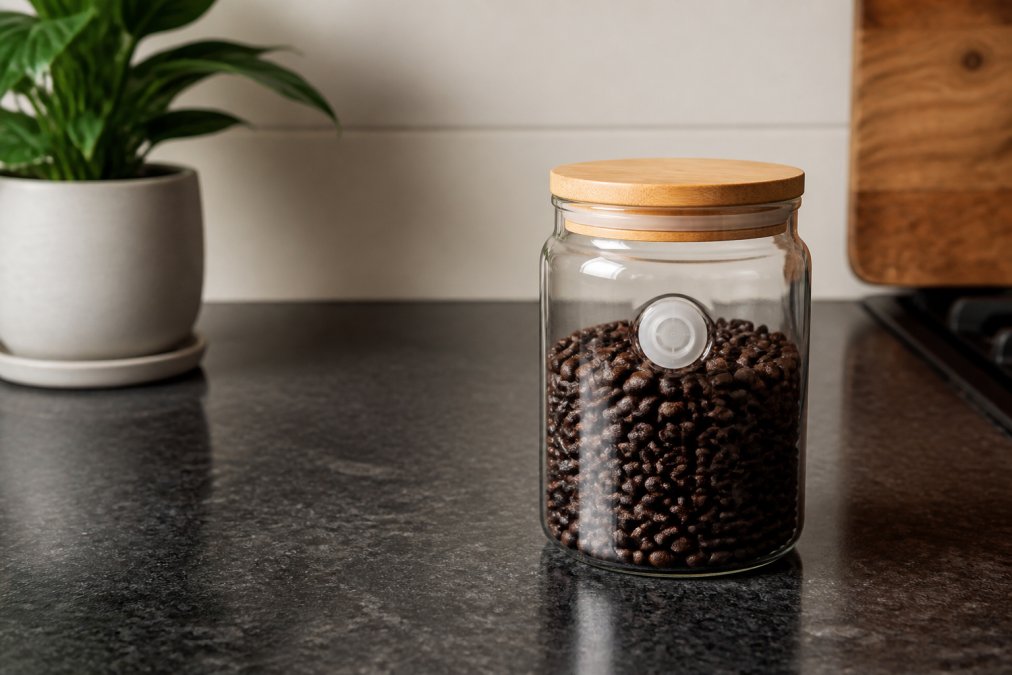
Immediately after roasting, coffee beans begin releasing carbon dioxide through degassing. During the first 12 to 24 hours post-roast, the beans are still actively off-gassing and aren't ideal for brewing (peer-reviewed research). Once that initial phase passes, the flavors stabilize and reach their sweet spot. The volatile compounds that create the coffee's unique taste profile are still present and haven't yet oxidized away.
Understanding your roast date is critical. Unlike vague "best by" dates on grocery store bags, a roast date tells you exactly when the transformation from green bean to finished coffee occurred. At Eager Beaver Roasters, we roast to order and include the roast date on every bag so you know precisely where your coffee sits in its flavor timeline. After the peak window closes, the coffee doesn't become undrinkable, but the flavor starts to flatten and the aroma begins to fade.
How Roast Level Impacts Shelf Life
Different roast levels age at different rates. Light roasts retain more of the bean's origin characteristics and tend to have a longer peak flavor window, often stretching toward the four-week mark. Medium roasts hit their sweet spot around three weeks, while dark roasts peak slightly earlier, around two to three weeks.
Lighter roasts preserve more volatile aromatics because they've experienced less heat exposure, meaning those delicate flavor compounds take longer to oxidize away. Dark roasts have already lost some volatile compounds during the roasting process itself. What remains is a bolder, more stable flavor profile, but one that's already partway through its oxidation journey.
This doesn't mean dark roasts go stale faster in absolute terms. A light roast that's five weeks old will taste noticeably duller than one that's two weeks old, while a dark roast at five weeks might still taste pretty good because the flavor profile is inherently more strong and less dependent on volatile aromatics.
If you're ordering light roasts from Eager Beaver Roasters, plan to use them within four weeks of the roast date. With medium roasts, three weeks is your target window. Dark roasts give you a bit more flexibility, but you'll still want to brew them within three to four weeks for optimal results.
The Best Way to Store Roasted Coffee Beans
The enemy of fresh roasted coffee is exposure to four things: oxygen, light, heat, and moisture. Store your beans in a way that minimizes all four, and you'll extend the peak flavor window as far as it can go.
Airtight Containers vs. Vacuum Sealing
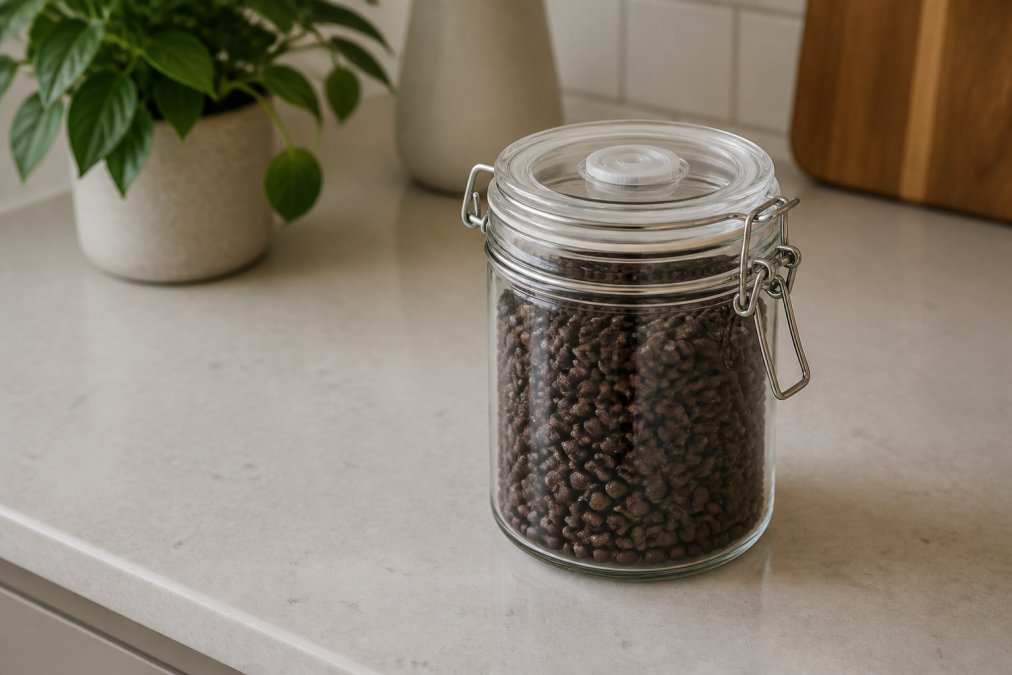
An airtight container with a one-way valve is the gold standard for most home coffee drinkers. The one-way valve allows carbon dioxide to escape during those first few days after roasting, but prevents oxygen from entering the container. Once the beans have finished degassing, usually after three to five days, you want zero oxygen exposure.
Many coffee bags from roasters already come with a one-way valve built in. If your bag has this valve, you can store the beans right in the original bag as long as you fold the top down tightly after each use. For longer-term storage or if you're transferring beans to a different container, look for airtight glass or ceramic containers with a one-way valve. Avoid clear plastic containers, plastic is more permeable to oxygen over time, and clear plastic allows light to degrade the beans.
Vacuum sealing works well if you're storing beans for extended periods beyond four weeks. However, it's overkill for your peak flavor window. Save vacuum sealing for backup supplies you're not using in the immediate two to four weeks.
Room Temperature vs. Freezing
Room temperature storage, ideally in a cool, dark cabinet away from heat sources between 60-75°F, is where your beans should live during the peak flavor window (usda.gov). Room temperature preserves the beans' flavor profile because volatile compounds remain stable and accessible for brewing.
Freezing dramatically slows oxidation and can extend the usable life of beans beyond the normal peak window. If you buy in bulk or have beans you won't use for several months, freezing is legitimate. However, once you remove frozen beans and they warm to room temperature, they begin absorbing moisture from the air. Remove only what you'll use in the next week or two, let it warm to room temperature in its sealed container, and brew immediately. Return the rest to the freezer right away.
Refrigerators are generally a poor choice due to temperature fluctuation and moisture. Avoid refrigerator storage for active coffee supplies.
Understanding the Coffee Degassing Process
Degassing is the process by which carbon dioxide trapped inside the roasted bean escapes into the air. During roasting, heat causes water inside the bean to turn to steam, which forces CO2 into the bean's cell structure. Once roasting stops and the bean cools, that CO2 wants to escape.
For the first 12 to 24 hours, the beans are actively off-gassing, and the CO2 interferes with water absorption during brewing. This is why coffee brewed too soon after roasting tastes sour and thin. By day three to day five post-roast, most excess CO2 has escaped, and the beans are ready for optimal brewing.
Once degassing is complete, you want to minimize oxygen exposure because oxygen causes oxidation, the slow degradation of the coffee's flavor compounds over time. As oxygen reacts with volatile compounds, those compounds break down, and the coffee loses its bright, complex flavors.
Signs of Stale Coffee Beans
Stale coffee shows several clear signs. The first is loss of aroma. Fresh roasted coffee has a pronounced, complex smell; stale beans smell flat and muted. Open a bag and take a strong sniff. If the aroma is barely noticeable, the coffee is past its peak.
Visual changes also indicate staling. Fresh beans have a slight sheen on the surface and vibrant color. Stale beans look dull and matte with faded color. Taste is the final confirmation, stale coffee tastes thin, sour, or flat, with the complexity disappearing.
Stale coffee isn't moldy or dangerous to drink. It's simply past the point where it delivers the flavor experience you expect.
Storage Methods Compared: Pros and Cons
| Storage Method | Peak Flavor Window | Pros | Cons | Best For | | --- | --- | --- | --- | | Original bag with one-way valve | 3-4 weeks | Convenient, minimal effort, valve prevents oxygen | Takes up space, limited visibility | Active daily brewing | | Airtight glass container | 3-4 weeks | Durable, reusable, no oxygen entry, visual check | Takes up cabinet space, requires transfer | Home storage, multiple origins | | Vacuum-sealed bag | 6-8 weeks | Extended freshness, compact, oxygen-free | Requires sealer, crushing risk, no visibility | Bulk storage, future use | | Freezer (sealed bag) | 3-6 months | Dramatically slows oxidation, long-term storage | Condensation risk, thawing required, takes freezer space | Backup supply, bulk purchases | | Refrigerator | 2-3 weeks | Cool temperature | Moisture exposure, temperature fluctuation | Not recommended | | Open container, room temp | 1-2 weeks | None | Rapid oxidation, moisture, light exposure | Emergency only |
For most home coffee enthusiasts: buy what you'll use in three to four weeks, store it in an airtight container with a one-way valve in a cool, dark cabinet, and brew it fresh.
Shelf Life by Brew Method
How you brew your coffee affects how forgiving the beans can be. Espresso demands the freshest beans because high-pressure extraction is unforgiving. You want beans no more than two to three weeks old for espresso.
Filter brewing, drip coffee, pour-over, Chemex, is more forgiving. The longer, slower extraction process can work with beans that are three to four weeks old. French press and immersion brewing sit in the middle, with three to four weeks still the target.
Cold brew is the most forgiving method. The slow, cold extraction process works well with beans up to five to six weeks old because cold temperatures slow oxidation, and the extended brewing time compensates for some flavor loss.
Conclusion
Fresh roasted coffee stays fresh longest when you understand what "fresh" actually means, it's about flavor, not safety. The peak flavor window for fresh roasted coffee is two to four weeks after roasting, depending on roast level and storage method.
The best storage approach combines three elements: an airtight container with a one-way valve, a cool dark location away from heat and light, and a clear roast date so you know exactly where your coffee sits in its timeline. Eager Beaver Roasters roasts to order and includes the roast date on every bag, which means you're never guessing about freshness.
The real difference between good coffee and great coffee often comes down to freshness. Start with our 12 Pack Single Serve Coffee Capsules or choose your preferred roast profile, track the roast date, and brew within the peak window. You'll taste the difference immediately.

Frequently Asked Questions
How long does fresh roasted coffee stay fresh after roasting?
Fresh roasted coffee reaches peak flavor within 2-4 weeks of the roast date. The optimal freshness window depends on your brew method, espresso peaks around 3-7 days, while filter brew methods like drip coffee stay optimal for 2-4 weeks. After 4 weeks, the beans begin losing aroma and flavor complexity due to oxidation and carbon dioxide loss. You can still drink coffee beyond this window, but the cup quality declines noticeably.
What are the signs of stale coffee beans?
Stale coffee beans lose their glossy appearance and become dull and flat-looking. The aroma weakens significantly, fresh beans have a vibrant, aromatic smell while stale beans smell muted or flat. When brewed, stale coffee tastes thin, bitter, or bland compared to the rich flavor profile of fresh beans. The oils on the bean surface also disappear, leaving them looking dry. If your beans smell like cardboard or have no aroma at all, they've gone stale.
Does freezing coffee beans extend their shelf life?
Freezing slows oxidation and can extend shelf life, but it introduces moisture risk when beans thaw. If you freeze whole beans, keep them in an airtight, vacuum-sealed container and avoid repeated freeze-thaw cycles. Thaw frozen beans at room temperature before opening the container to prevent condensation. For best results, freeze only what you won't use within 4 weeks, and use frozen beans within 3-6 months. Most coffee experts recommend room temperature storage in an airtight container as the simpler, more reliable approach.
How does the coffee degassing process affect freshness?
The degassing process begins immediately after roasting when carbon dioxide trapped in the beans escapes. This process peaks during the first 24-48 hours and continues for several weeks. During heavy degassing, coffee is too gassy for espresso machines but ideal for filter brewing. Once degassing slows (around day 3-7), the beans stabilize and flavor compounds develop fully. One-way valve bags allow carbon dioxide to escape while preventing oxygen from entering, which is why freshly roasted coffee in valve bags stays fresher longer than in sealed bags.
Find Your Perfect Roast at Eager Beaver Roasters. We roast your coffee to order, seal it to preserve freshness with nitrogen flushing technology, and ship it directly to your door so you're always brewing coffee at its peak. Choose from light, medium, or dark profiles, and experience what fresh roasted coffee is actually supposed to taste like.
This article was written using GrandRanker